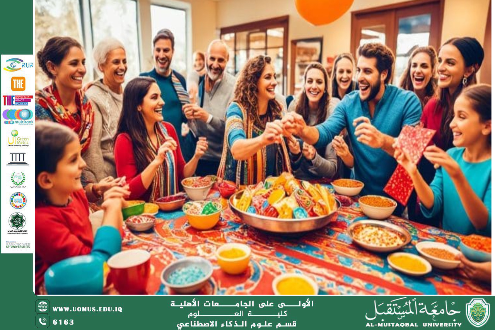
The Impact of Cultural Exchange on Arab Societies
The Impact of Cultural Exchange on Arab Societies<br /><br />Introduction:<br />In the age of globalization and technological connectivity, cultural exchange has become an integral part of daily life. Thanks to social media, travel, and digital communication, Arab societies are continuously exposed to cultural influences from around the world. While this exchange raises concerns for some, it also presents opportunities for growth, understanding, and self-development.<br /><br />What Is Cultural Exchange?<br />Cultural exchange refers to the interaction between two or more cultures through communication, coexistence, and the sharing of ideas, values, arts, and traditions. This interaction can occur directly (via travel or study abroad) or indirectly (through media, films, books, and the internet).<br /><br />Aspects of Cultural Exchange in Arab Societies:<br /> 1. Positive Impacts:<br /> • Openness to Others: Cultural exchange has helped Arab societies break down stereotypes and gain a more nuanced understanding of other cultures.<br /> • Educational and Intellectual Growth: Many modern educational and philosophical concepts have been embraced after engagement with more scientifically and educationally advanced cultures.<br /> • Boosting Creativity: The interaction with global cultures has inspired waves of contemporary art, literature, and music blending authenticity with modernity.<br /> • Support for Global Causes: Issues like human rights, environmental protection, and equality have gained more attention thanks to cultural exposure.<br /> 2. Negative Impacts:<br /> • Threat to Cultural Identity: Some Arab communities struggle to preserve their traditions and values in the face of new customs that may conflict with their cultural or religious heritage.<br /> • Cultural Alienation: Over-imitating Western lifestyles can lead to marginalizing native culture and viewing it as outdated or inferior.<br /> • Language Decline: Some Arab youth prefer using foreign languages over their native Arabic, posing a threat to the preservation of the Arabic language.<br /><br />How to Benefit from Cultural Exchange Without Losing Identity:<br /> • Teaching a Balanced Perspective: By instilling core local values while encouraging open-minded and critical engagement with global cultures.<br /> • Promoting and Celebrating Heritage: Through supporting traditional arts, the Arabic language, and cultural festivals.<br /> • Creating a Contemporary Arab Culture: One that merges authenticity with openness, fostering creativity instead of blind imitation