
Scientific article by Assist lecturer Reyam.abdulkhuder Mohammed Titled AS:-typhoid disease
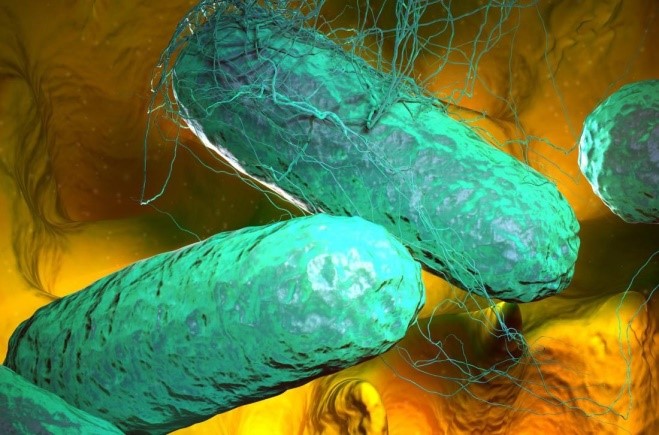
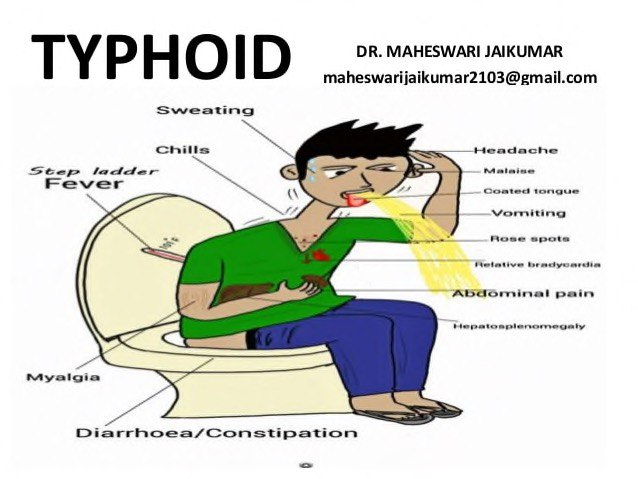
typhoid disease<br />Typhoid fever, diarrhea, and vomiting are all symptoms of a bacterial infection called typhoid. It has the potential to be fatal. Salmonella typhi is the bacteria that causes it.<br />The infection is often passed on through contaminated food and drinking water, and it is more prevalent in places where hand washing is less frequent. It can also be passed on by carriers who do not know they carry the bacteria..<br /><br />One out of every five cases will die if left untreated. Typhoid fever is potentially fatal. After treatment, fewer than four out of every hundred cases are fatal. S. typhi enters the body through the mouth and remains in the intestine for one to three weeks. It then enters the bloodstream after passing through the gut wall. It spreads throughout the body from the bloodstream to various tissues and organs. Because S. typhi can live within the host's cells without being detected by the immune system, the host's immune system has limited ability to combat a consistent source. Typhoid is diagnosed by the presence of S. typhi in blood, stool, urine, or bone marrow samples...<br /><br />Symptoms<br />Symptoms usually appear between 6 and 30 days after being exposed to the bacteria. Typhoid is characterized by two major symptoms: fever and rash. Typhoid fever is especially dangerous, with temperatures gradually rising to 104 degrees Fahrenheit, or 39 to 40 degrees Celsius, over several days. The rash is made up of rose-colored spots that appear mostly on the neck and abdomen and does not affect every patient. Other signs and symptoms may include: • exhaustion • abdominal discomfort head Symptoms may include confusion, diarrhea, and vomiting in rare cases, but these are usually not severe. <br /><br />When severe cases go untreated, the bowel can become perforated. This can lead to peritonitis, an infection of the tissue that lines the inside of the abdomen that has been reported to be fatal in between 5% and 62% of cases. Salmonella enterica can also cause paratyphoid. It has symptoms similar to typhoid, but it is less likely to be fatal (typhoid-and-paratyphoid-fever-leaflet)..<br />Treatment<br />The only effective treatment for typhoid is antibiotics. The most commonly used antibiotics are ciprofloxacin (for non-pregnant adults) and ceftriaxone. Aside from antibiotics, it is critical to drink plenty of water to rehydrate. In more severe cases where the bowel has become perforated, surgery may be required..<br />.<br />.<br /><br />Antibiotic resistance in Typhoid<br /><br />Antibiotic resistance in S. typhi, as in a number of other bacterial diseases, is currently a source of concern. This has an effect on the drugs used to treat typhoid. In recent years, typhoid has developed resistance to trimethoprim-sulfamethoxazole and ampicillin. One of the most important typhoid medications, ciprofloxacin, is also having issues. According to some studies, the rate of resistance to Salmonella typhimurium is around 35%.<br />Causes<br />Typhoid is caused by the bacteria S. typhi and is spread through contaminated food, drinks, and water. It can spread if contaminated water is used to wash fruits and vegetables. Some people are asymptomatic carriers of typhoid, which means they have the bacteria but don't get sick. Others continue to harbor the bacteria long after their symptoms have subsided. The disease can reappear from time to time. People who test positive as carriers may be barred from working with children or the elderly until medical tests show they are clear..<br /><br />Prevention<br />-vaccines the best way to control the infection is to vaccinate high risk populations.<br />- Avoid drinking contaminated water .<br />- Wash teeth using bottled water and avoid swallowing shower water.<br />- Wash hands frequently in hot, soapy water before eating or preparing food, as well as after using the toilet. Alcohol-based sanitizer can be used in the absence of hot water.<br />