Digital Education: A Gateway to a More Sustainable Educational Future.
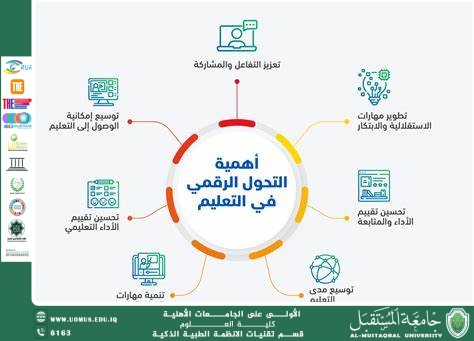
Digital education has become one of the fundamental pillars for achieving sustainability in the education sector, offering smart solutions that reduce resource consumption and enhance the efficiency of learning processes. This mode of education relies on the use of modern technologies such as the internet, artificial intelligence, and e-learning platforms, providing equitable learning opportunities regardless of geographic location or financial capacity.<br /><br />Digital education contributes to reducing the use of paper and other natural resources by relying on e-books and digital content, thereby lowering the environmental impact of educational institutions. Additionally, shifting to online learning reduces the need for daily commuting for both students and teachers, which in turn helps cut carbon emissions and improve environmental quality.<br /><br />Beyond its environmental benefits, digital education offers a more interactive and effective learning experience through modern tools such as virtual simulations and adaptive learning technologies, which allow content to be tailored to each student’s individual needs. It also enhances the quality of education by providing access to global educational resources that broaden students’ perspectives and strengthen their critical thinking skills.<br /><br />Investing in digital infrastructure and developing the technical skills of both teachers and students is a vital step toward making digital education the foundation for achieving sustainability goals. Technology opens up vast possibilities for delivering more inclusive and efficient education, contributing to the creation of a more sustainable future for generations to come.<br /><br />Al-Mustaqbal University: The First University in Iraq<br /><br /><br /><br /><br /><br /><br /><br /><br />