The Role of Assistive Robots in Enhancing Elderly Care(Huda Khudair Hane).
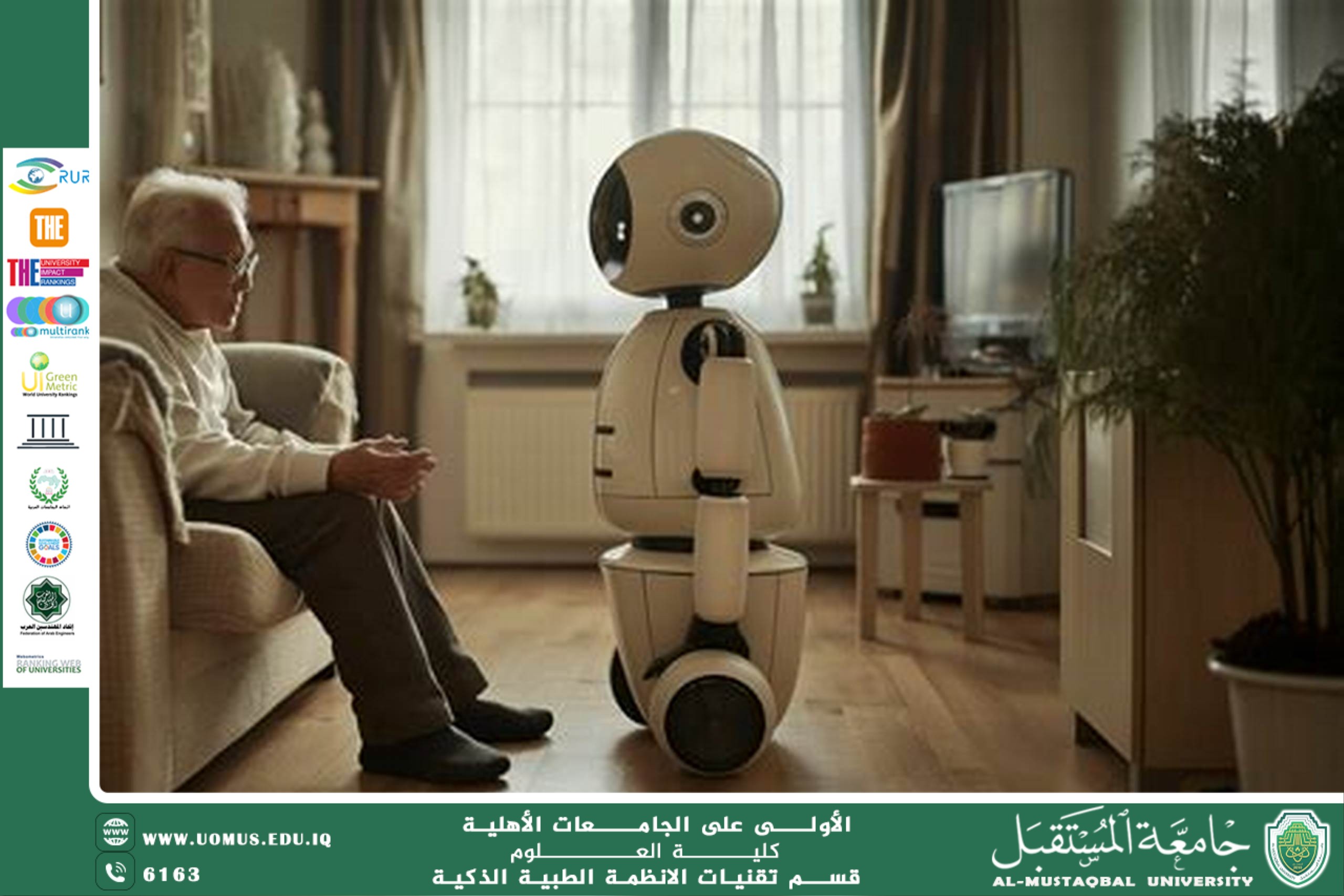
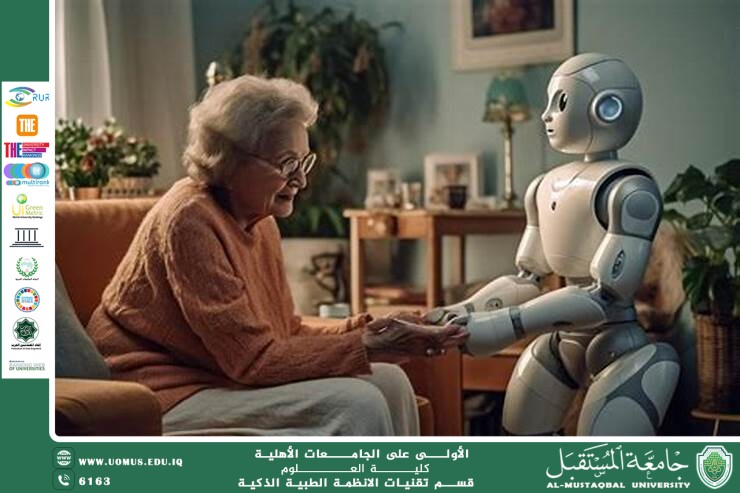
With the growing elderly population worldwide, the need for smart solutions to support and improve their quality of life has become increasingly urgent. Assistive robots are among the most prominent technological innovations addressing this need by providing practical and emotional support to aging individuals.<br /><br />These robots help facilitate daily activities such as moving around the house, reminding patients to take their medications, and offering companionship through interactive conversations—particularly beneficial for those suffering from conditions like dementia or memory loss.<br /><br />Assistive robots also serve as effective health monitoring tools, equipped with sensors that can detect sudden health changes—such as drops in blood pressure or blood sugar irregularities—and send real-time alerts to caregivers or doctors, enabling early intervention and preventing complications.<br /><br />Furthermore, these technologies promote greater independence among elderly individuals by helping them perform routine tasks—such as eating or light exercise—on their own. This reinforces their sense of autonomy and encourages a more active lifestyle.<br /><br />Despite these advantages, several challenges remain, including ensuring the safety and reliability of robots in various home environments and their ability to respond effectively to complex situations. Human interaction also remains a vital component of elderly care, meaning that the role of robots should be complementary to, rather than a replacement for, human caregivers.<br /><br />Al-Mustaqbal University The first University in Iraq.<br />