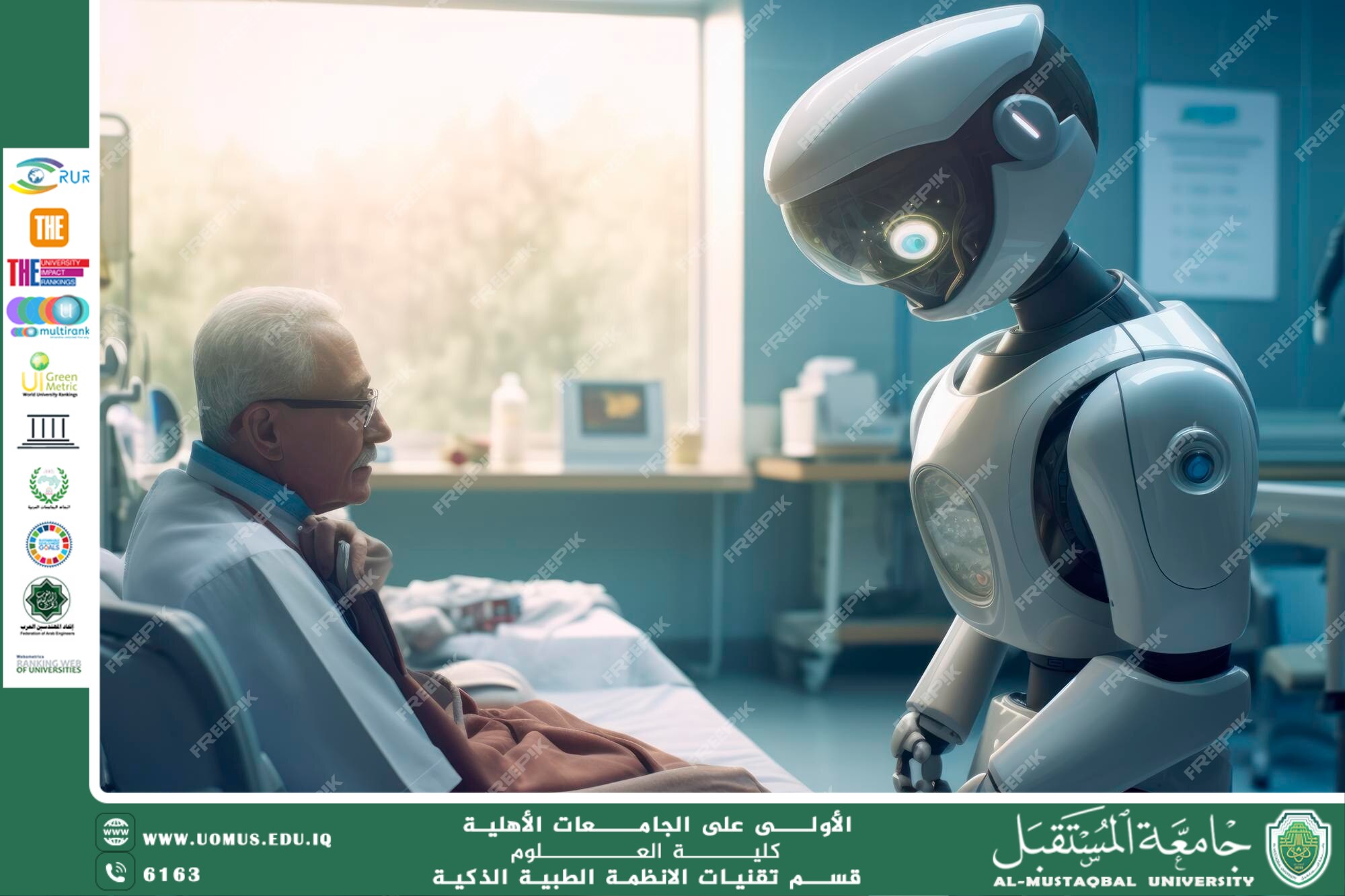
The Role of Neural Technologies in Enhancing Communication for Individuals with Motor Disabilities.
Individuals with motor disabilities often face significant challenges in using traditional means of communication due to limited or lost mobility. In this context, neural technologies have emerged as an innovative solution that empowers these individuals to communicate more effectively and independently.<br /><br />These technologies work by analyzing and converting neural signals—particularly brain signals—into digital commands that can control electronic devices such as computers and smartphones. This enables users to send messages, interact with their surroundings, and perform daily tasks using only their thoughts.<br /><br />One of the most prominent innovations in this field is the Brain-Computer Interface (BCI), which allows individuals with severe motor impairments to control devices using brain activity alone, without any physical movement. This represents a groundbreaking advancement in assistive technology, offering real potential to improve quality of life and keep users connected to the world around them.<br /><br />Additionally, these systems are being used in therapeutic and rehabilitation programs, where brain-driven exercises help stimulate muscles and improve motor functions, thus enhancing physical flexibility and recovery.<br /><br />Despite the remarkable progress of these technologies, challenges remain—chiefly the high cost of devices, limited accessibility, and the need for specialized training programs to help users fully benefit from these advanced tools.<br />Al-Mustaqbal University The First University in Iraq.<br /><br /><br /><br /><br /><br /><br /><br /><br /><br />