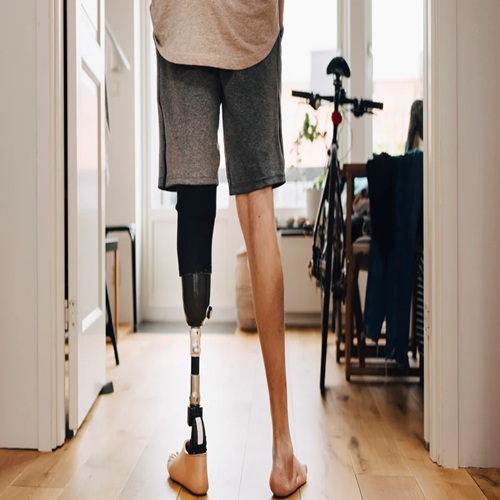
The Psychological Impact of Amputation on Persons with Disabilities
presented by engineer Aya Talib Hassan<br />Amputation is one of the most difficult experiences a person can endure. It is not limited to the physical loss of a body part but extends deeply into the psychological and social aspects of life. Whether caused by accidents, chronic illnesses such as diabetes or cancer, or by war and conflict, amputation leaves a profound emotional and psychological imprint that often requires long-term care and support.<br /><br />1. Psychological Shock and Depression<br /><br />Many individuals who undergo amputation experience an initial psychological shock known as grief from loss. The person often feels deep sadness, confusion, and numbness. Over time, these feelings can evolve into severe depression, particularly if proper psychological support is not provided. A sense of hopelessness and loss of self-worth may emerge, and some individuals may feel like a burden to their families.<br /><br /> 2. Loss of Physical Identity<br /><br />There is a strong connection between a person and their physical identity. Amputation poses a direct threat to this sense of identity. Some individuals struggle to accept their new physical appearance, leading to embarrassment or social withdrawal. Issues with self-acceptance are particularly common among young adults and adolescents.<br /><br /> 3. Anxiety About the Future and Functional Limitations<br /><br />Fear of losing the ability to work or live independently haunts many amputees. They often ask themselves, "Will I be able to return to work?", "Can I drive again?", "Will I live a normal life?" These questions can create ongoing anxiety and negatively affect their overall mental health.<br /><br />4. Social Isolation and the Impact of Public Perception<br /><br />The way society views amputees greatly influences their mental state. When people are treated as incapable or helpless, it creates a sense of rejection and alienation. Many amputees avoid social interaction out of fear of pity or being stared at, which intensifies their feelings of loneliness and depression.<br /> 5. The Role of Psychological Support and Rehabilitation<br /><br />Coping with the psychological effects of amputation requires a comprehensive program of emotional and social support. Mental health professionals, social workers, and family members all play a key role in helping the person adapt to their new reality. The provision of prosthetic limbs and rehabilitation programs—both physical and vocational—also helps rebuild confidence and restore independence.<br /><br /><br />Conclusion<br /><br />The psychological impact of amputation is no less significant than the physical one—often, it is more profound and enduring. Therefore, amputation should be addressed as a holistic experience that affects all aspects of a person’s life. Psychological support, alongside medical care, is essential to ensure that individuals are reintegrated into society with dignity and strength.