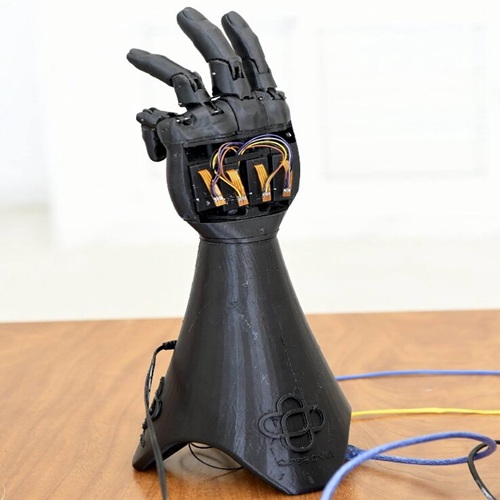
Solar-Powered Prosthetics
presented by Assist. Lect. Montadhar Saleh Mahdi<br />In recent years, technology has intersected with human needs in more compassionate ways, and one of the most notable examples of this is the advancement of prosthetic limbs. The latest innovation is the introduction of solar power as a means to energize these devices—a step that blends sustainability with innovation.<br /><br />The idea behind solar-powered prosthetics is to utilize a natural and renewable energy source to operate devices that assist individuals with mobility and daily activities. This technology reduces the need for frequent charging or reliance on traditional batteries, making it especially suitable for people living in areas where access to electricity is limited or inconsistent.<br /><br />Beyond the practical benefits, there is also a significant psychological aspect. Solar-powered prosthetics offer users a sense of independence and self-reliance, boosting their confidence and helping them regain a part of their normal lives.<br /><br />While this technology is still in its early stages, signs of progress are promising. With the continued development of lighter and more efficient solar cells, it is becoming increasingly feasible to integrate them seamlessly and effectively into the design of prosthetic limbs without adding burden to the user.<br /><br />Combining medicine, technology, and clean energy opens up a wide avenue for improving the quality of life for many. It reminds us that the future is not only shaped in laboratories but is also driven by the real needs and hopes of people.<br />