The Use of Robots in Interactive Learning for Children.
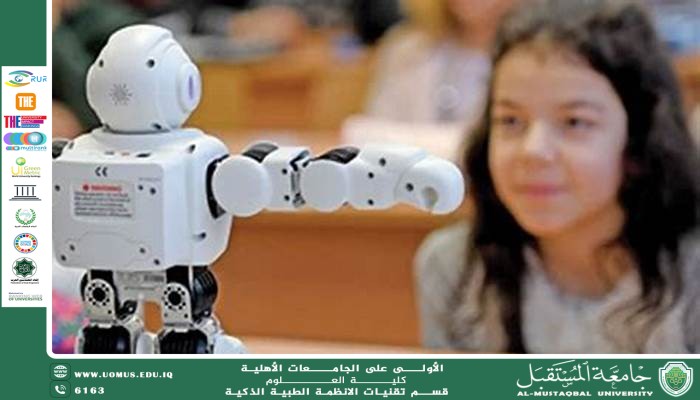
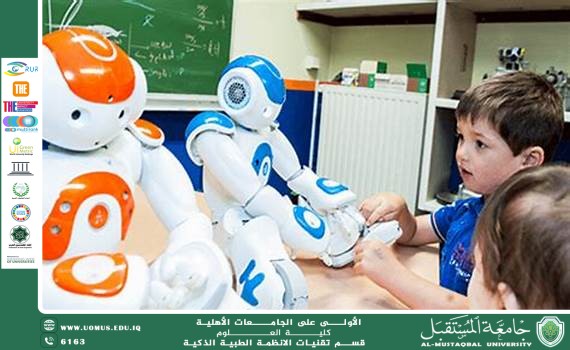
The education sector is witnessing a surge in the integration of interactive robots into classrooms, particularly aimed at enhancing the learning experience for young children in primary education. These robots offer innovative methods to capture children's attention and motivate their participation through educational games, storytelling, and interactive exercises.<br /><br />Such robots help develop critical thinking and problem-solving skills by allowing children to interact with information in a visual and tangible way. They also support personalized learning by adapting educational content to each child’s abilities.<br /><br />Notable examples include language-learning robots that assist with vocabulary acquisition and pronunciation, as well as programming robots that introduce children to STEM concepts through hands-on activities.<br /><br />Additionally, robots play a vital role in supporting the inclusion of children with special needs by providing individualized and tailored assistance.<br /><br />However, the success of this approach depends on seamless integration between teachers and technology, as well as curriculum development that treats robots as educational tools rather than human replacements.<br /><br />In short, incorporating robots into education marks a transformative step toward more engaging and effective learning, preparing children for a rapidly evolving digital world.<br /><br />Al-Mustaqbal University The First University in Iraq.<br />