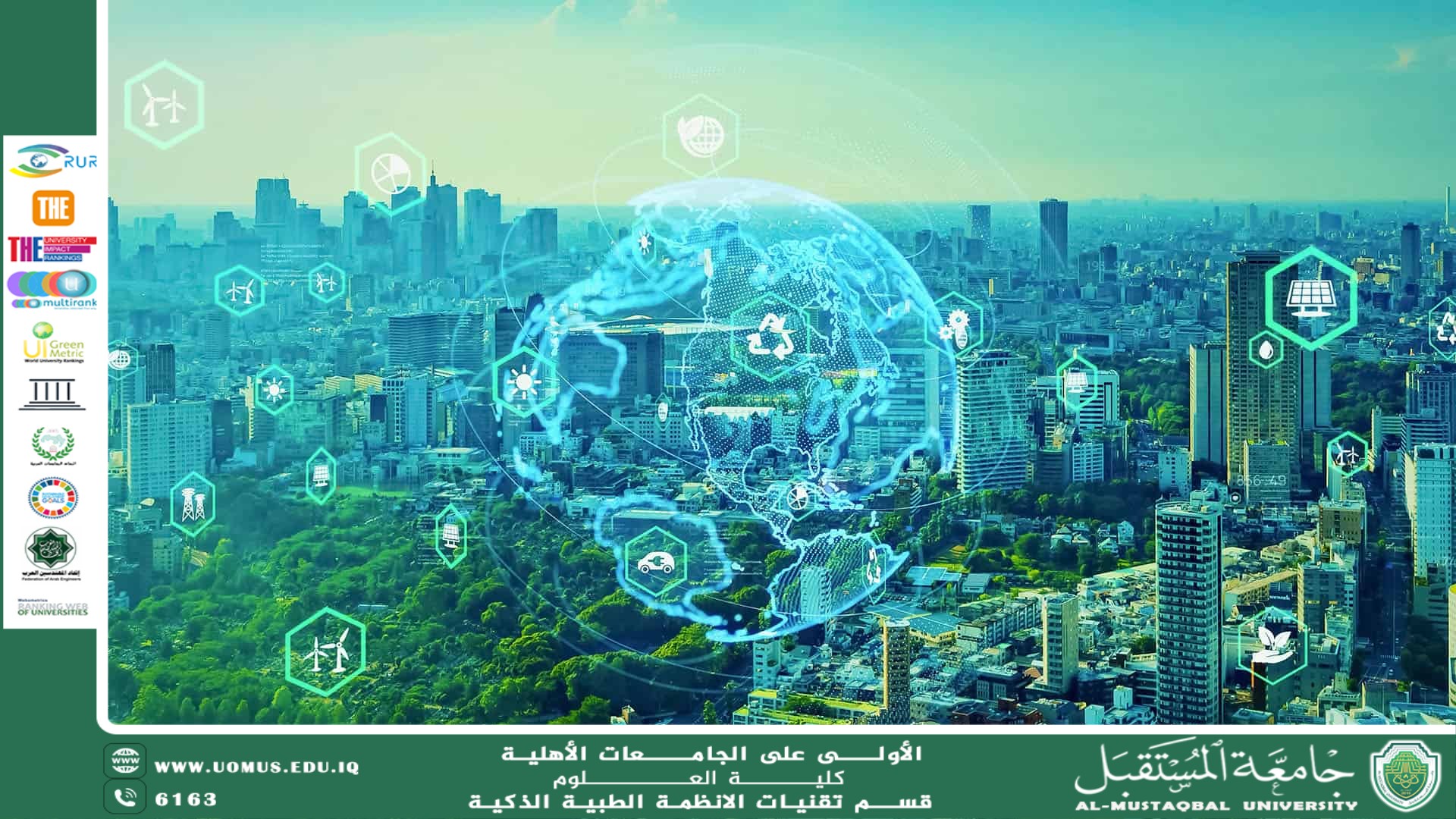
Technology as a Pillar for Building Resilient Communities.
Community resilience is a fundamental element in confronting various crises, whether natural disasters, health emergencies such as pandemics, or economic challenges. Technology has increasingly played a pivotal role in enhancing the ability to adapt and respond quickly to such events.<br /><br />In the healthcare sector, digital tracking tools and telemedicine services have contributed to maintaining the continuity of healthcare delivery during crises. In the field of education, digital platforms have been essential in ensuring the continuation of learning despite the closure of schools and educational institutions.<br /><br />Moreover, big data and artificial intelligence provide effective tools for predicting risks, analyzing their potential impacts, and directing resources to the areas and populations most in need. Innovations such as 3D printing and renewable energy also strengthen communities' capacity for self-sufficiency during emergencies.<br /><br />However, the digital divide remains a significant barrier that prevents all communities from benefiting equally from these technologies, which highlights the urgent need for inclusive national policies to ensure effective digital access for everyone without exception.<br /><br />Thus, investing in technology is no longer a luxury but a strategic necessity to enhance social and economic stability and to build communities capable of confronting future crises with efficiency and resilience.<br /><br />Al-Mustaqbal University The first University in Iraq.<br /><br />