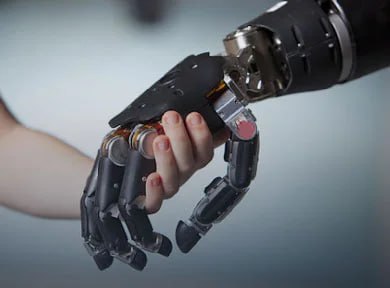
Sustainable Education in Prosthetics and Orthotics Engineering
Sustainable education is one of the fundamental pillars for achieving balanced and long-term human development, especially in vital fields such as prosthetics and orthotics engineering. This type of education goes beyond academic knowledge to include critical thinking skills, lifelong learning, and the ability to adapt to advances in medical technology. By integrating sustainability concepts into university curricula, we can prepare engineers capable of designing innovative and effective solutions that consider both human needs and environmental impact.<br /><br />In prosthetics and orthotics engineering departments, sustainable education can make a real difference by guiding students to explore eco-friendly materials and develop more cost-effective and efficient production techniques. It also encourages interdisciplinary collaboration—bringing together mechanical engineering, medicine, and movement sciences—to create comprehensive solutions that serve individuals with disabilities in a humane and sustainable way. Sustainable education here is not only concerned with what is produced, but also how and for whom it is produced.<br /><br />Ultimately, sustainable education helps graduate engineers who are not only technically skilled but also socially and ethically responsible. These engineers become part of a global system striving to improve lives through continuous learning, responsible innovation, and community partnership. In this way, the prosthetics and orthotics engineering department becomes a living example of the lasting positive impact sustainable education can offer.