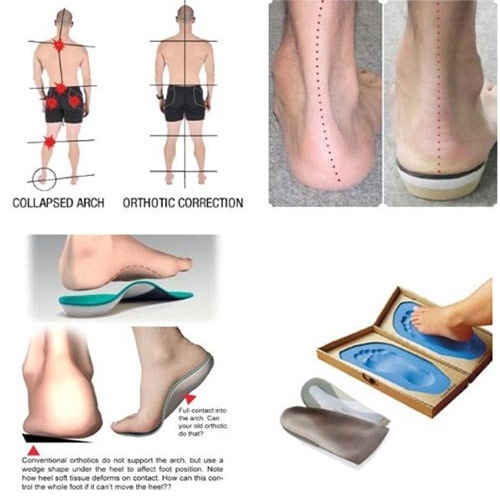
Problems with Orthotic Devices Resulting from Inaccurate Diagnosis
Accurate diagnosis is a fundamental factor in the successful use of orthotic devices, as their design and compatibility with the user’s body depend heavily on a clear understanding of the medical and functional condition. When a proper diagnosis is lacking, orthotic devices may cause additional health issues instead of providing support. Common problems include excessive joint pressure, imbalance during movement, and worsening of chronic pain—negatively affecting the user’s daily life.<br /><br />Inaccurate diagnosis can result from a lack of medical expertise, weak coordination between the medical and engineering teams, or reliance on outdated assessment tools that overlook the unique details of each case. Consequently, orthotic devices are often designed based on general assumptions rather than precise data, making them functionally inadequate or consistently uncomfortable. This not only harms the user’s quality of life but may also lead to the complete rejection of the device, depriving the individual of essential mobility support.<br /><br />This highlights the urgent need to improve diagnostic procedures within the field of prosthetics and orthotics engineering through continuous training, the use of advanced assessment tools, and stronger collaboration between medical and engineering disciplines. Investment in diagnostic accuracy is just as important as high-quality manufacturing, as the effectiveness of an orthotic device begins with understanding the condition—not just good design.