Developing a Prosthetic Limb with Sensory and Neural Feedback Technology
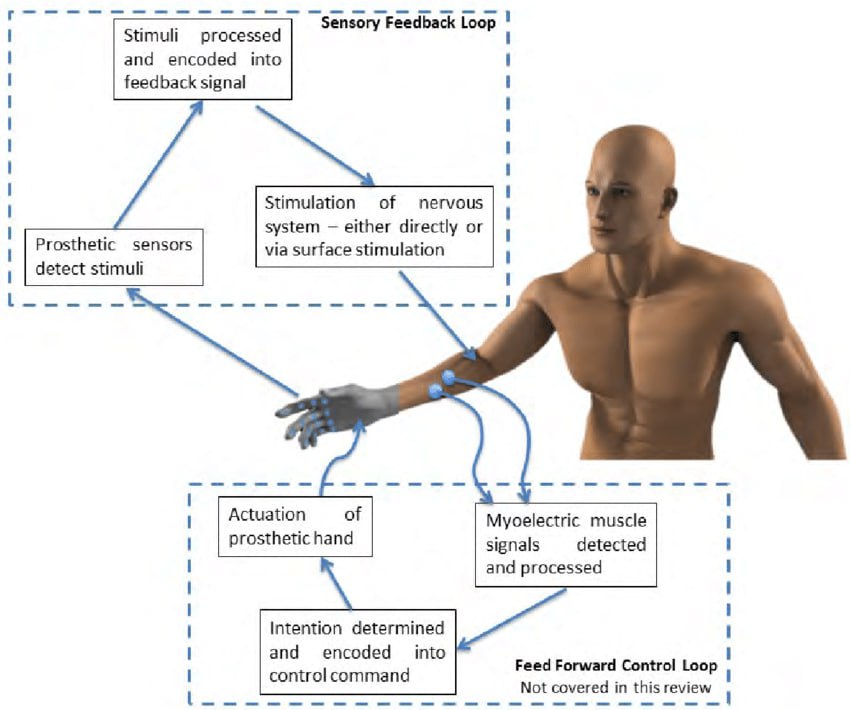
The field of prosthetics is witnessing significant advancements thanks to the integration of sensory and neural feedback technologies, bringing artificial limbs closer than ever to natural limbs in terms of performance and function. These advanced prosthetic devices rely on sophisticated sensors that detect neural signals from muscles or nerves and convert them into precise motor commands. In return, they can transmit sensations such as pressure or texture back to the brain, allowing the user to perceive their surroundings and interact with them in a more natural way.<br /><br />These innovations not only enhance the user’s ability to control the prosthetic limb, but also restore a level of sensory perception that was previously lost—marking a major shift in the user experience. Instead of operating a purely mechanical, passive device, the individual uses a prosthesis that functions as an extension of the nervous system. This significantly improves movement efficiency, boosts self-confidence, and promotes greater participation in daily and professional life.<br /><br />As scientific research in this area continues, these prosthetics are expected to become even more intelligent and adaptive, with the ability to adjust automatically to different activities or environments. The development of prosthetic limbs with neural sensory integration is not only a technical achievement but also a profound human advancement—demonstrating how technology can serve humanity by restoring the ability to feel, move, and live with dignity.