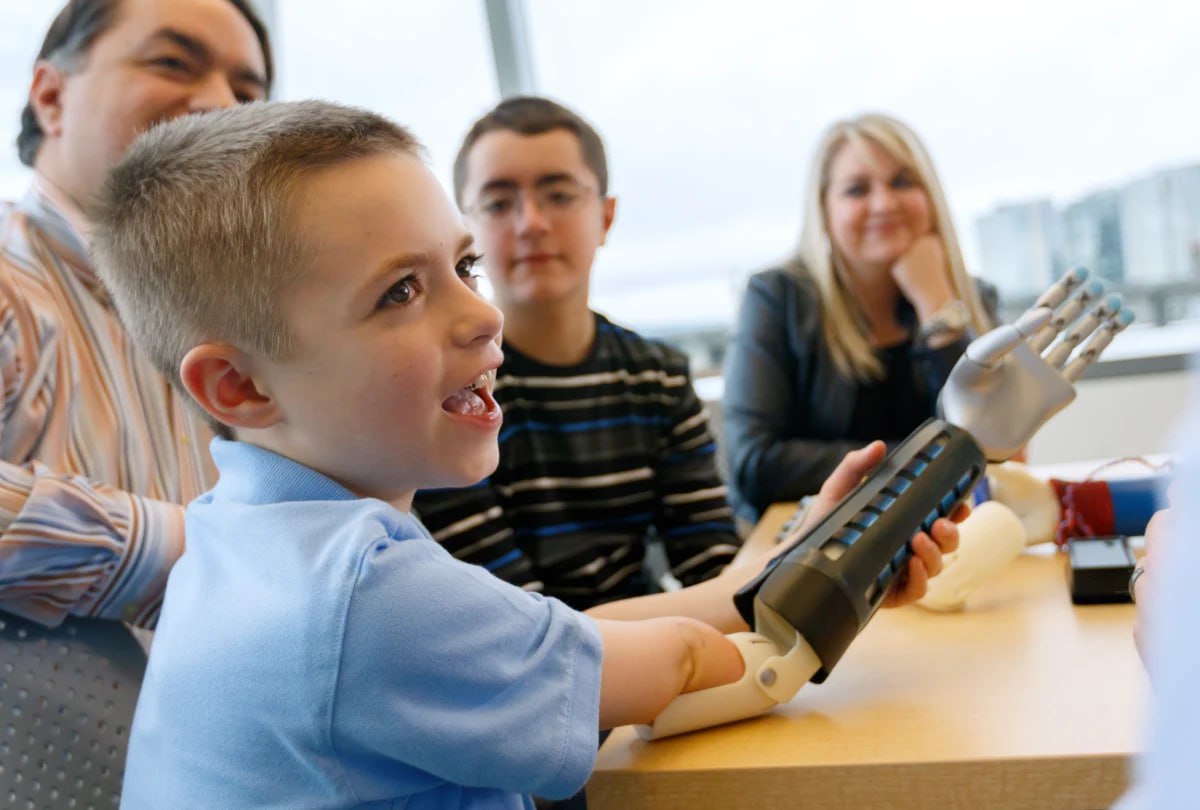
The Role of Family in Supporting Amputees Between Care and Challenge
Losing a limb is a deeply complex physical and emotional experience, and the family plays a central role in how an amputee copes with this transition. Emotional support from loved ones—through empathy and encouragement—can significantly boost the amputee’s self-confidence and help them adapt to physical and psychological changes. A compassionate home environment reduces feelings of isolation and anxiety, offering a sense of belonging and safety.<br /><br />However, this support can become counterproductive if it turns into overprotection or excessive pity. When families, out of love and concern, limit the amputee’s independence or discourage them from making their own choices, it can hinder their reintegration into society and delay psychological recovery. Striking a balance between support and empowerment is essential during this sensitive period.<br /><br />That’s why families need psychological and educational guidance on how to support amputees in ways that enhance their abilities rather than restrict them. Involving the amputee in daily decisions, encouraging the use of prosthetics or assistive devices, and accompanying them to physical therapy sessions are all meaningful actions. A truly supportive family doesn’t just sympathize—it becomes an active partner in the journey of healing and self-reconstruction.