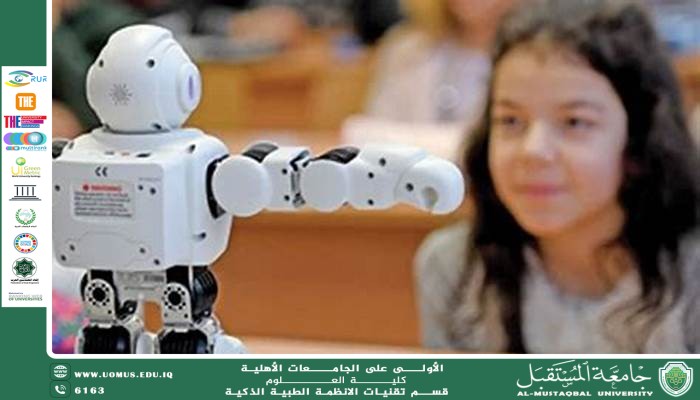
How Blended Learning Contributes to Advancing Sustainability Goals.
Blended learning is an educational approach that combines traditional face-to-face teaching methods with modern remote learning technologies. This model is considered one of the most effective ways to achieve sustainability objectives in education, as it provides students with greater flexibility in learning. They can interact directly with teachers and peers in traditional classrooms while also benefiting from digital platforms that offer access to educational content anytime and anywhere.<br /><br />One of the main advantages of blended learning is the reduction of educational costs by minimizing reliance on physical resources such as textbooks and printed materials. Through electronic platforms, students can access study materials digitally, which helps reduce waste and improves resource efficiency. Additionally, this model helps bridge educational gaps among students, especially those in remote or underserved areas lacking adequate educational infrastructure, by facilitating easy access to learning content.<br /><br />Moreover, blended learning fosters continuous learning and skill development by enabling students to engage with online educational materials between traditional class sessions. In this way, blended learning not only provides a more sustainable learning environment but also enhances students' ability to adapt to rapid advancements in information technology.<br /><br />Al-Mustaqbal University The first University in Iraq.