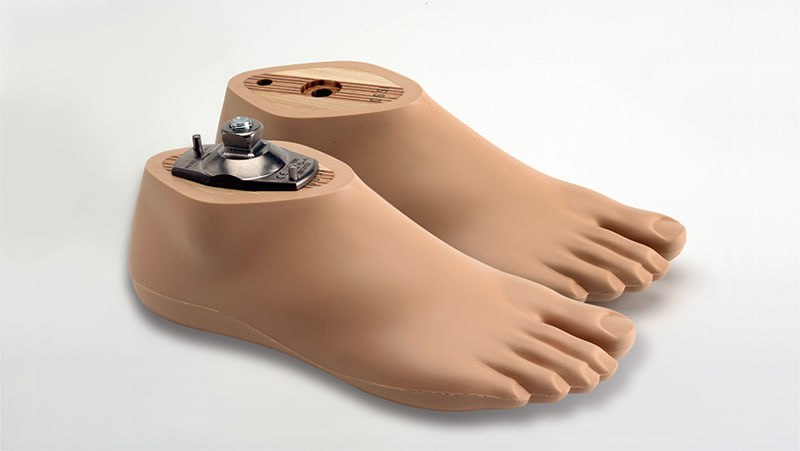
Types of Prosthetic Feet Between Functionality and Innovation
Prosthetic feet come in a wide variety of designs to suit the needs of lower-limb amputees, depending on the level of amputation, lifestyle, and intended use. One common type is the solid ankle cushioned heel (SACH) foot, which is simple in design and often used for below-knee amputations, offering basic support without joint movement. In contrast, dynamic response feet, made from flexible materials like carbon fiber, store and release energy during walking—ideal for active users.<br /><br />Another category includes multi-axial feet, which allow movement in multiple directions, providing better balance on uneven terrain. These are especially beneficial for older adults or those navigating varied environments. The most advanced option is the microprocessor-controlled foot, equipped with sensors and processors that adjust ankle movement in real time based on walking speed and surface type, offering a gait that closely mimics natural motion.<br /><br />Choosing the right prosthetic foot depends on factors like user weight, daily activity level, and comfort with technology. Consulting a certified prosthetist is essential to ensure the best fit. After all, a prosthetic foot is not just a mechanical part—it’s a gateway to renewed mobility, blending comfort, performance, and innovation.