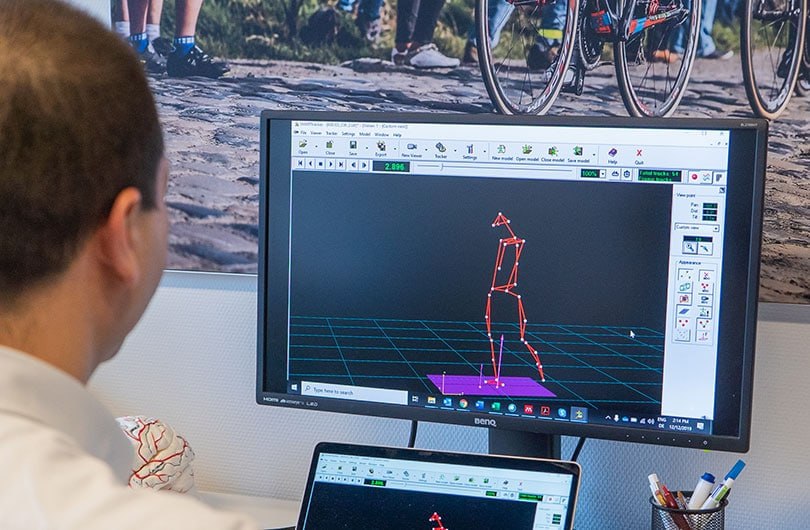
Technology in Biomechanics Between Analysis and Application
Technology has revolutionized the field of biomechanics, which studies human movement through the lens of physics and engineering. Today, advanced tools such as 3D motion analysis, wireless sensors, and dynamic imaging techniques allow for a deeper understanding of how muscles and joints function during motion. These tools are not limited to research—they are now essential in sports performance evaluation, injury diagnosis, and rehabilitation program design.<br /><br />One of the most impactful applications is the use of computational simulation software like ANSYS and OpenSim, enabling researchers and engineers to build precise digital models of the human body and analyze the forces acting on it during movement. 3D printing is also used to create anatomical models and custom medical devices, improving surgical outcomes and reducing recovery time. Additionally, smart robotics have enhanced rehabilitation devices that respond to patient movement and support functional recovery.<br /><br />With the rise of artificial intelligence, it is now possible to analyze vast amounts of biomechanical data to detect subtle patterns that can predict injuries or optimize movement. This fusion of technology and biomechanics not only advances medical device development but also opens new frontiers in understanding the human body—making it one of the most promising fields in both medicine and engineering.