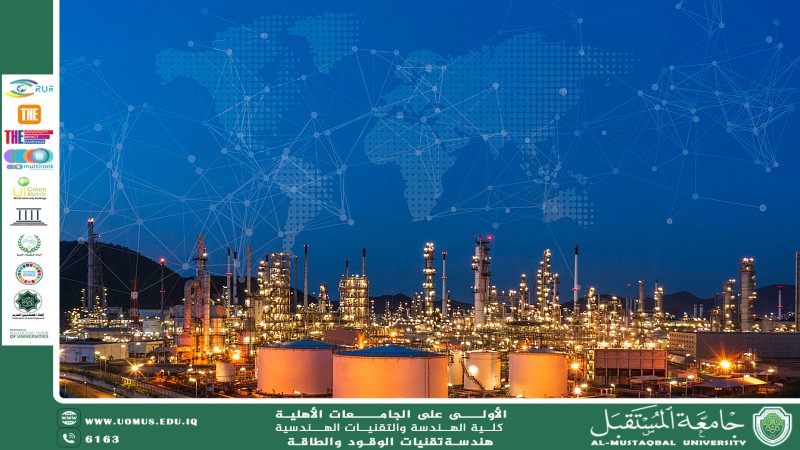
Petrochemical Exports: Toward a Trillion-Dollar Global Industry by 2030
Petrochemical Exports: Toward a Trillion-Dollar Global Industry by 2030<br />Eng. Nourhan Thamer Assi<br /><br />Abstract:<br />The global petrochemical export market is experiencing accelerated growth, with projections indicating it may exceed USD 1 trillion in value by 2030. This expansion is driven by rising industrial demand, technological advancements, and strategic efforts by key global producers. Egypt, as an emerging market, has witnessed a consistent increase in petrochemical exports, positioning itself as a competitive regional player. This paper explores the key trends, major exporters, top products, and Egypt’s evolving role in this dynamic sector.<br /><br />1. Global Petrochemical Export Trends<br />Petrochemicals are critical to the production chains of numerous global industries, including plastics, textiles, automotive, packaging, pharmaceuticals, and electronics. With increasing industrialization and consumption, international trade in petrochemical products rose significantly. The value of global petrochemical exports reached approximately USD 965 billion in 2023, compared to USD 714 billion in 2022, highlighting the strength and momentum of the industry. The market is expected to surpass the trillion-dollar threshold before the end of the decade.<br /><br />2. Leading Petrochemical Products in Global Trade<br />Among the most exported petrochemical products worldwide are ethylene, propylene, benzene, toluene, xylene, polyethylene, styrene, butadiene, PVC (polyvinyl chloride), and propane. These products serve as core building blocks for countless industrial applications, forming the basis for a wide range of manufactured goods. Ethylene and propylene, in particular, are vital monomers used in the synthesis of polymers and plastics.<br /><br />3. Major Global Exporters of Petrochemicals<br />In 2023, the United States led the world in petrochemical exports, with a total value of approximately USD 220 billion. Saudi Arabia followed with around USD 160 billion, leveraging its vast reserves and integrated refining complexes. China, Germany, South Korea, Japan, Belgium, France, Russia, and Kuwait were also among the top exporting nations. These countries have built robust petrochemical infrastructures, combining production efficiency with global trade networks.<br /><br />4. Egypt’s Petrochemical Export Performance<br />Egypt has made considerable progress in expanding its petrochemical export capacity. In the first ten months of 2024, Egyptian petrochemical exports grew by 7%, reaching USD 7.2 billion. Plastic products represented the largest share, growing by 11% to reach USD 2.1 billion. Exports of detergents and glass products also increased, contributing to the overall rise. The government targets a 10% increase in petrochemical exports by the end of 2025.<br />Historically, Egypt exported petrochemicals and fertilizers worth USD 8.63 billion in 2022, reflecting a growth rate of 23% from the previous year. In 2023, the figure was around USD 6 billion, and by the first half of 2024, exports reached USD 4 billion. By the end of the third quarter of 2024, exports totaled approximately USD 6.5 billion, and the full-year figure is expected to approach USD 8 billion. Petrochemicals now account for about 21–22% of Egypt’s total exports.<br /><br />5. Strategic Importance of Petrochemical Exports for Egypt<br />Petrochemical exports are a strategic pillar of Egypt’s economic development. They generate foreign currency revenues and contribute significantly to the national GDP. By reducing reliance on traditional sectors such as tourism and agriculture, the petrochemical sector supports the diversification of national income sources.<br />The industry also creates direct and indirect employment opportunities, reducing unemployment and fostering industrial development. Petrochemical production leverages Egypt’s natural resources, particularly natural gas, by converting them into high-value products. This enhances the added value of Egypt’s natural resource base and supports domestic manufacturing.<br />Furthermore, increasing petrochemical production reduces the need for imports of these materials, improving the trade balance and conserving foreign exchange reserves. As Egypt continues to strengthen its position as a regional petrochemical hub, its role in global value chains is likely to expand further.<br /><br />6. Conclusion<br />Global petrochemical exports are set to surpass USD 1 trillion by 2030, reflecting growing demand and expanding industrial applications. The top global exporters have established strong foundations based on technological advancement, resource availability, and strategic market access. Egypt, while still emerging, is steadily progressing and carving out a competitive position in the regional and global petrochemical trade.<br />With continued investment, policy support, and infrastructure development, Egypt has the potential to become a key player in the international petrochemical market, contributing to national economic growth, industrial resilience, and regional influence.<br /><br />"Al-Mustaqbal University – The No. 1 Private University in Iraq"