Integrating Renewable Energy Systems in Urban Wastewater Treatment: A Path Toward Sustainable Cities
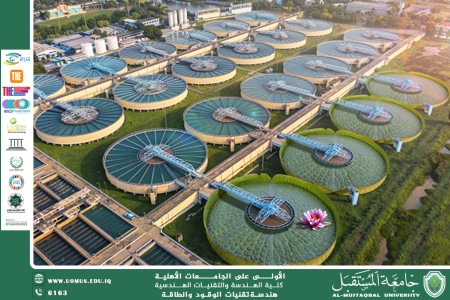
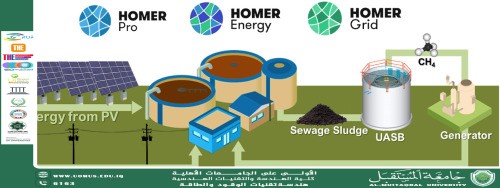
Integrating Renewable Energy Systems in Urban Wastewater Treatment: A Path Toward Sustainable Cities<br />Eng. Nourhan Thamer Assi<br /><br />Relevant Sustainable Development Goals (SDGs):<br />Goal 6: Clean Water and Sanitation<br />Ensure availability and sustainable management of water and sanitation for all.<br />Goal 7: Affordable and Clean Energy<br />Ensure access to affordable, reliable, sustainable, and modern energy for all.<br />Goal 11: Sustainable Cities and Communities<br />Make cities inclusive, safe, resilient, and sustainable.<br />Goal 13: Climate Action<br />Take urgent action to combat climate change and its impacts.<br /><br />Integrating Renewable Energy Systems in Urban Wastewater Treatment: A Path Toward Sustainable Cities<br />As global urbanization accelerates and environmental concerns grow, urban wastewater treatment systems must evolve beyond conventional energy-intensive models. The integration of renewable energy systems into urban wastewater treatment facilities presents a compelling solution that not only improves environmental performance but also promotes energy self-sufficiency and climate resilience.<br />Challenges of Conventional Wastewater Treatment:<br />Traditional wastewater treatment processes consume significant amounts of energy, largely derived from fossil fuels. Key challenges include:<br />High energy consumption: Aeration, pumping, and chemical treatment processes require constant energy input.<br />Greenhouse gas emissions: Indirect emissions from electricity consumption and direct emissions from methane and nitrous oxide.<br />Operational costs: Increasing energy prices inflate the cost of wastewater management, burdening municipalities.<br />Opportunities Through Renewable Energy Integration:<br />To address these challenges, cities are turning to renewable energy sources such as solar, wind, biogas, and hydroelectric systems. Here’s how they integrate:<br />1. Solar Power:<br />Solar panels installed on treatment facility rooftops or adjacent land provide clean electricity for operations. Floating solar arrays on treatment lagoons also help reduce evaporation and algae growth.<br />2. Biogas from Anaerobic Digestion:<br />Organic sludge from treatment processes can be digested anaerobically to produce biogas, mainly methane, which powers combined heat and power (CHP) systems. This not only offsets energy use but also reduces methane emissions to the atmosphere.<br />3. Micro-Hydropower Systems:<br />Small-scale hydropower turbines can be installed in wastewater flows or effluent discharge points to generate electricity from water pressure differentials.<br />4. Wind Energy:<br />Though site-dependent, wind turbines near treatment plants offer a clean and scalable power source when wind conditions are favorable.<br />Case Studies and Implementation Successes:<br />Strass Wastewater Treatment Plant (Austria): Operates as an energy-positive plant by maximizing biogas recovery and efficiency measures.<br />California Energy Commission Initiatives (USA): Incentivizes renewable energy adoption in municipal plants, significantly cutting energy bills.<br />Kailua WWTP (Hawaii): Uses solar power and biodiesel to reduce reliance on imported fuels and decrease GHG emissions.<br />Benefits of Renewable Integration:<br />Energy neutrality or positivity in operations.<br />Reduced greenhouse gas emissions and smaller carbon footprint.<br />Cost savings over time through reduced dependence on external energy.<br />Increased climate resilience, especially during energy shortages or natural disasters.<br />Enhanced public perception and environmental leadership.<br /><br />Conclusion:<br />The integration of renewable energy systems into urban wastewater treatment is not only technically feasible but also environmentally and economically beneficial. As cities strive toward sustainability and climate neutrality, wastewater treatment plants offer a key opportunity for energy transformation. A circular, self-sustaining, and resilient infrastructure is within reach—one that aligns perfectly with global sustainable development goals and paves the way for smarter, cleaner cities.<br /><br />"Al-Mustaqbal University – The No. 1 Private University in Iraq"<br /><br />