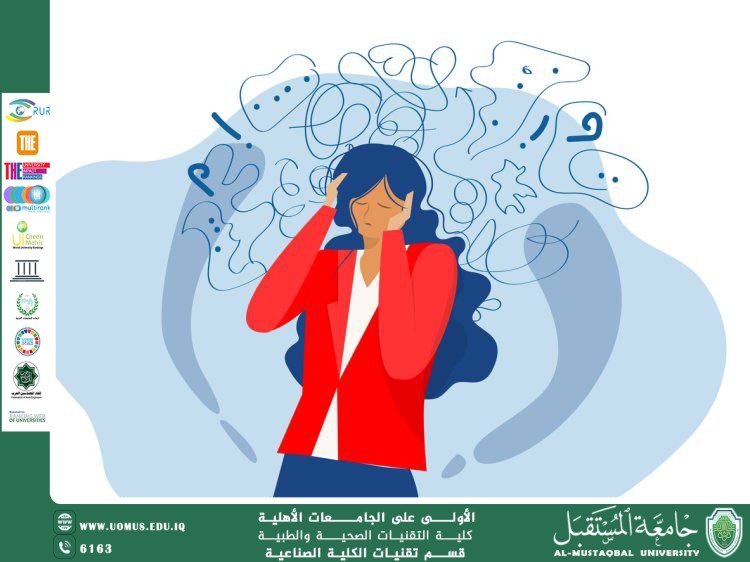
Chronic Stress and Its Impact on the Immune System
Prepared by: Ms. Tabarak Ahmed Turki Al-Azzawi<br />Introduction<br /><br />Stress is a natural part of human life. In its temporary form, it can serve as a positive motivator for performance and focus. However, when stress becomes chronic, it turns into a serious physical and psychological burden. Its effects go beyond mental discomfort to weaken the immune system, reducing its ability to perform essential functions and making the body more vulnerable to infections and diseases.<br />What is Chronic Stress?<br />Chronic stress is a prolonged physical and psychological response to persistent triggers such as:<br /> • Work or academic pressures<br /> • Daily life or financial problems<br />During stress, the body secretes hormones such as cortisol and adrenaline, which are essential in emergency situations but become harmful when elevated over a long period.<br />How Does Chronic Stress Affect the Immune System?<br /> 1. Suppression of Immune Cell Production<br /> • Chronic stress reduces the production of lymphocytes (T and B cells), which are vital for fighting viruses and bacteria.<br /> • This makes the body more prone to frequent infections.<br /> 2. Increased Inflammation in the Body<br /> • Chronic stress raises levels of inflammatory markers such as C-reactive protein (CRP) and cytokines.<br /> • This persistent inflammation is associated with heart disease, diabetes, and cancer.<br /> 3. Delayed Wound Healing<br /> • A weakened immune system under stress cannot repair tissues efficiently, resulting in slower wound healing.<br />Examples of Stress-Related Immune Conditions<br /> • Frequent viral infections (e.g., colds, herpes)<br /> • Autoimmune disorders (e.g., lupus, rheumatoid arthritis)<br /> • Skin diseases (e.g., psoriasis, eczema)<br /> • Reduced control of tumors in at-risk individuals<br />Prevention and Strengthening Immunity Under Stress<br /> 1. Practice relaxation techniques such as meditation, deep breathing, or yoga.<br /> 2. Get sufficient sleep (7–9 hours per day).<br /> 3. Maintain a balanced diet rich in fruits, vegetables, and natural antioxidants.<br /> 4. Engage in regular physical activity.<br /> 5. Build healthy social relationships and seek support when needed.<br /> 6. Seek psychological counseling if stress becomes overwhelming.<br />Conclusion<br /><br />Chronic stress doesn’t just affect mental well-being—it weakens one of the body’s most critical defense systems: the immune system. This underscores the importance of managing psychological stress as a core component of overall healthcare, to maintain both physical and emotional balance and prevent illness.<br /><br />Al-Mustaqbal University ، The First University in Iraq