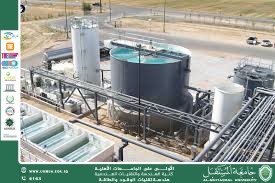
Zero Liquid Discharge (ZLD) Systems: Toward Sustainable Industrial Wastewater Management
Zero Liquid Discharge (ZLD) Systems: Toward Sustainable Industrial Wastewater Management<br /><br />By: Asst. Lecturer Shahad Ammar Hatem<br /><br />Sustainable Development Goals (SDGs) Addressed:<br /> Goal 6: Clean Water and Sanitation<br /> Goal 9: Industry, Innovation and Infrastructure<br /> Goal 12: Responsible Consumption and Production<br /><br />Zero Liquid Discharge (ZLD) is an advanced wastewater treatment approach that ensures no liquid waste leaves the industrial facility. Instead, water is recovered and reused, while solids are separated for safe disposal or reuse.<br /><br />ZLD systems are crucial in industries such as textiles, petrochemicals, power generation, and pharmaceuticals, where large volumes of wastewater with complex contaminants are produced. These systems typically integrate technologies like reverse osmosis, evaporation, and crystallization to achieve complete water recovery.<br /><br />While ZLD is a highly sustainable solution, its implementation poses technical and economic challenges, including high energy consumption and capital costs. However, advancements in membrane technologies and energy-efficient evaporators are gradually overcoming these barriers.<br /><br />ZLD is not only an environmental imperative but also a strategic resource management practice in water-scarce regions. It aligns directly with global sustainability goals, making industries more resilient and environmentally responsible.<br /><br />Al-Mustaqbal University – The No. 1 Private University in Iraq