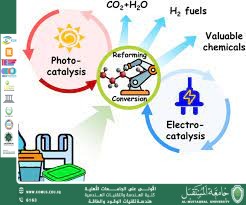
Thermochemical Conversion of Waste Plastics into Fuel: Technology and Challenges
Thermochemical Conversion of Waste Plastics into Fuel: Technology and Challenges<br /><br />By: Eng. Abdullah Marza Hamza<br /><br />Sustainable Development Goals (SDGs) Addressed:<br /> Goal 9: Industry, Innovation and Infrastructure<br /> Goal 12: Responsible Consumption and Production<br /> Goal 13: Climate Action<br /><br />Plastic waste is a growing global concern, and thermochemical conversion technologies offer a pathway to transform this waste into valuable fuel products. Techniques such as pyrolysis, gasification, and hydrothermal liquefaction can break down plastic polymers into hydrocarbons for use as diesel, gasoline, or synthesis gas.<br /><br />Pyrolysis, conducted in the absence of oxygen, is the most developed among these methods. It converts mixed plastic waste into liquid fuel and char, while gasification produces syngas that can be used for power generation or chemical synthesis.<br /><br />These processes reduce environmental burdens, divert waste from landfills, and recover energy from non-recyclable plastics. However, challenges include feedstock contamination, inconsistent product quality, and energy-intensive conditions.<br /><br />With the integration of catalysts, automation, and emissions controls, thermochemical conversion can be a cornerstone of waste-to-energy systems in a sustainable industrial future.<br /><br />Al-Mustaqbal University – The No. 1 Private University in Iraq