

Artificial Intelligence in Smart Laboratories: Accelerating Diagnosis and Reducing Waste (Programmer : Aheeb Hashim Kareem
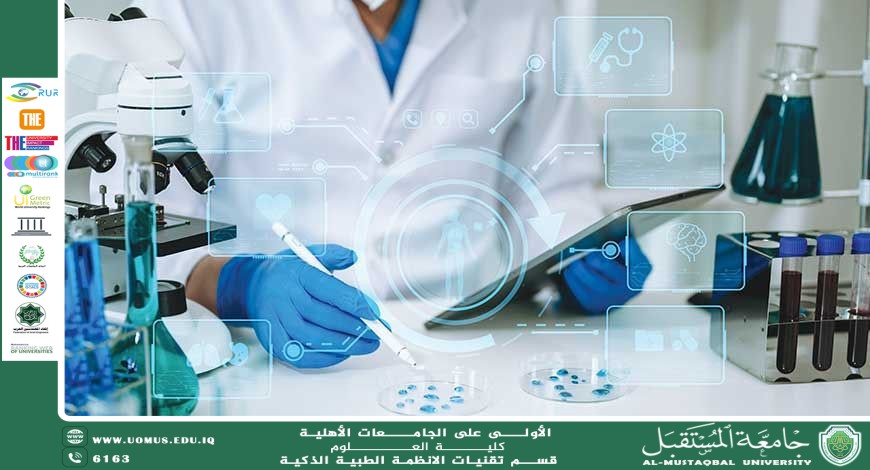
Amid the rapid advancement of medical technology, Artificial Intelligence (AI) has emerged as one of the most pivotal tools in redefining laboratory operations, enhancing diagnostic accuracy, and minimizing resource waste. The integration of AI into laboratories marks a transformative shift toward “smart labs” characterized by efficiency, speed, and precision, ultimately improving patient outcomes and reducing operational burdens.<br /><br />One of the most prominent benefits AI offers in laboratories is its ability to quickly and accurately analyze complex data, such as blood images, tissue analyses, and biochemical test results. Rather than relying solely on human expertise to interpret results, AI systems—particularly those utilizing Deep Learning—can compare millions of historical datasets to detect patterns indicative of diseases like tumors, hormonal imbalances, or bacterial infections.<br /><br />AI also contributes significantly to reducing human error, which can lead to misdiagnosis or delays in treatment. Through automating sample analysis steps and alerting technicians to abnormal or contradictory readings, AI ensures a double-layered verification of results, enhancing diagnostic reliability. These systems operate tirelessly, enabling round-the-clock lab performance without degradation in accuracy or speed.<br /><br />Moreover, AI plays a vital role in cutting down material and time waste, as it can forecast the demand for reagents and supplies based on daily testing logs, preventing overuse or expiration of materials. It also automates patient test scheduling to reduce wait times and increase the number of patients served per day—without compromising quality.<br /><br />Another key advantage is AI's ability to enhance data tracking and integration. Smart labs do not function in isolation from hospital systems or Electronic Health Records (EHR); instead, they integrate seamlessly, allowing physicians instant access to test results supported by automated interpretations and preliminary medical recommendations that aid decision-making.<br /><br />However, despite these significant benefits, implementing AI in laboratories requires robust digital infrastructure and continuous staff training to ensure effective use. Ethical and legal questions also arise concerning data privacy and the reliability of automated decisions—issues that must be addressed with rigor to secure the trust of patients and healthcare professionals.<br /><br />In conclusion, Artificial Intelligence stands as a cornerstone in the future of medical laboratories, offering speed, precision, and operational efficiency. As algorithms evolve and medical data volumes grow, AI’s potential to play a central role in early diagnosis, waste reduction, and improved healthcare quality in the era of intelligent medicine will only continue to expand.<br />Al-Mustaqbal University — The number one University in Iraq