Intelligent Medical Systems: A Bridge Between Data and Life-Saving Decisions
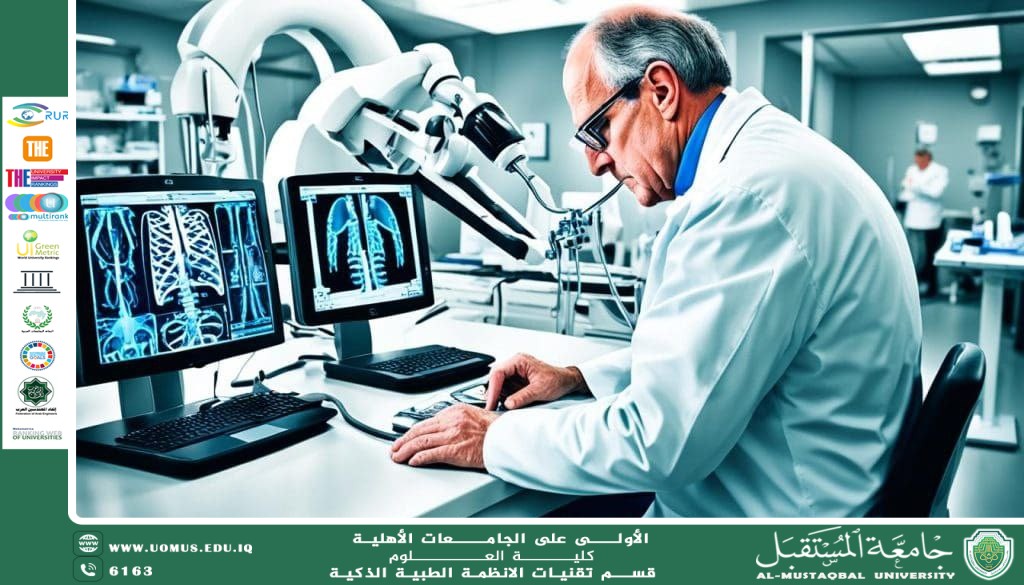
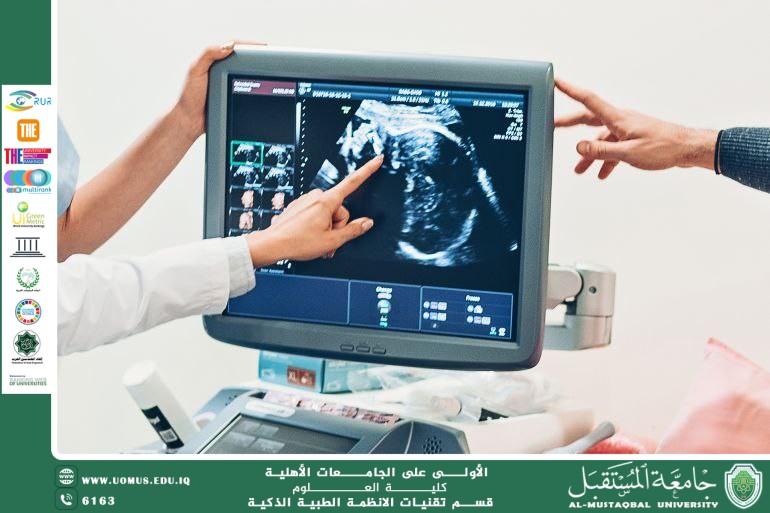
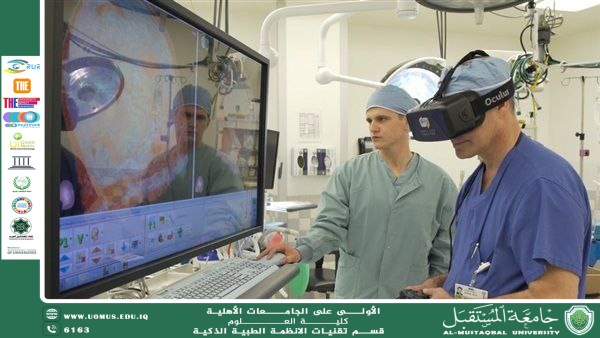
In an era of unprecedented technological acceleration, medical data has begun flowing from multiple sources and in massive volumes—ranging from wearable devices to digital hospitals, and all the way to global clinical databases. With this overwhelming influx of information, the need has arisen for intelligent systems capable of interpreting this data and transforming it into effective, rapid clinical decisions that help save lives and improve the quality of healthcare.<br /><br />Intelligent Medical Systems are not merely data analysis tools; rather, they are integrated platforms that utilize technologies such as Artificial Intelligence (AI), Machine Learning, and Big Data Analytics to extract precise patterns from complex datasets. These systems do not just monitor health conditions; they also predict future risks and guide physicians to make the best decisions based on accurate digital evidence.<br /><br />One of the most prominent real-world applications of these systems is their use in early diagnosis of diseases such as cancer, cardiovascular conditions, and strokes. When intelligent algorithms analyze laboratory test results, radiological images, and electronic patient records in real time, they can uncover hidden indicators that a physician might overlook during the initial assessment. This type of instantaneous analysis can shorten the time between symptom onset and the start of treatment—literally representing the difference between life and death in some cases.<br /><br />The importance of Intelligent Medical Systems is also highlighted in emergency and intensive care units, where life-saving decisions are time-sensitive. These systems are capable of monitoring a patient’s vital signs in real time, alerting the medical team to critical changes, and even recommending appropriate treatment protocols based on models trained on thousands of previous cases.<br /><br />Moreover, the role of these systems extends beyond hospitals to community and preventive healthcare, where they can be used to analyze data from entire populations, predict the spread of infectious diseases, or identify environmental factors impacting health. Such analyses enable public health decision-makers to intervene early and allocate resources more effectively.<br /><br />Nevertheless, reliance on Intelligent Medical Systems requires a robust technological and ethical environment. Patient data must be protected, privacy ensured, and algorithms must be fair and unbiased. Additionally, integration between healthcare professionals and these systems must be collaborative, with AI seen not as a competitor but as a tool that enhances physician efficiency and expands their capabilities.<br /><br />In conclusion, Intelligent Medical Systems truly serve as a bridge between the vast amount of medical data and the clinical decisions that save human lives. They are not a technological luxury, but an urgent necessity in an age where diseases are accelerating and cases are becoming more complex. By developing and responsibly adopting these systems, we can build a healthcare ecosystem that is more intelligent, just, and sustainable.<br /><br />Al-Mustaqbal University – The first university in Iraq.<br /><br />