Beyond the Stethoscope: Artificial Intelligence as a New Clinical Partner in Patient Care( Programmer Aheeb Hashem Kareem)
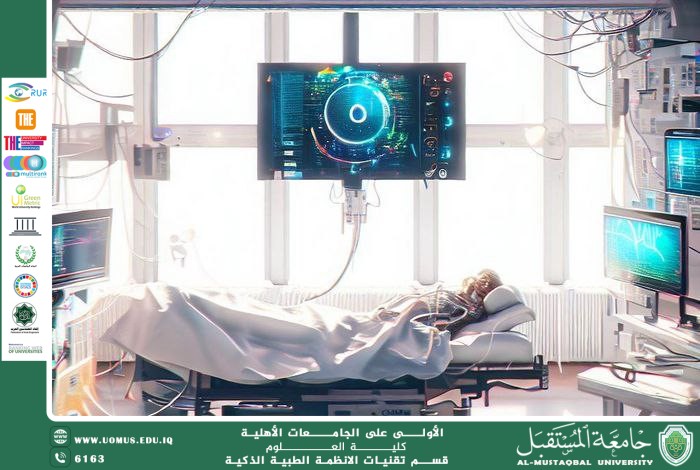
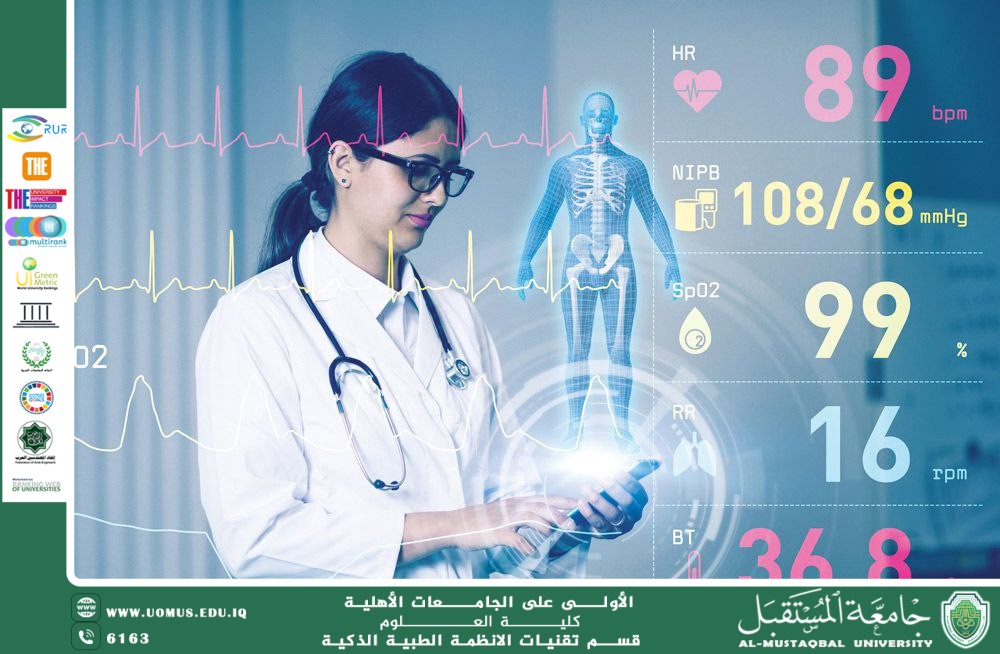
For decades, the stethoscope has been a symbol of traditional clinical care, representing the direct relationship between physician and patient, and the art of attentive listening that marks the beginning of diagnosis. However, in the digital transformation era, this tool alone is no longer sufficient to meet the complex challenges of modern healthcare. Today, Artificial Intelligence (AI) is not replacing physicians, but is rapidly becoming an effective clinical partner that supports medical decision-making, enhances efficiency, and improves the quality of patient care.<br /><br />In this context, the applications of AI in hospitals and clinics are expanding rapidly—from medical image analysis and laboratory result interpretation to predicting potential complications. Thanks to Deep Learning algorithms, machines are now capable of "seeing" and analyzing radiological images with a level of accuracy that matches—or sometimes surpasses—that of expert radiologists. Some systems can even detect small tumors or subtle anomalies that may be overlooked in an initial clinical evaluation.<br /><br />But AI's contribution goes beyond analysis. It plays a crucial role in clinical decision support, through smart systems that propose potential diagnoses and treatment options based on vast datasets from previous cases. This guidance does not diminish the physician's role, but instead offers a more comprehensive perspective—especially in complex or atypical cases.<br /><br />In the realm of chronic disease management, AI provides sustainable solutions for monitoring patients outside hospital walls. Through wearable devices and smartphone applications, vital signs can be continuously tracked and analyzed to anticipate any health deterioration before it occurs. This form of proactive care reduces emergency visits and significantly enhances the quality of life.<br /><br />Regarding the physician-patient relationship, the use of AI does not eliminate human interaction. On the contrary, it allows physicians more time to focus on the human aspects of care, as algorithms take over routine, administrative, and accounting tasks. This fulfills the vision of "AI-augmented medicine" rather than "AI-replaced medicine."<br /><br />Nevertheless, this transformation is not without challenges, particularly around ensuring algorithm accuracy, ethical use, and patient data privacy. AI systems must be transparent, auditable, and free from biases that could negatively affect certain patient populations.<br /><br />In conclusion, the field of medicine is undergoing a historical shift from relying solely on traditional tools to adopting an integrated model that combines human expertise with AI’s analytical power. Beyond the stethoscope does not mean abandoning it—it means evolving beyond it, toward a new partnership where artificial intelligence becomes a smart ally in delivering more accurate, compassionate, and efficient healthcare.<br /><br />Al-Mustaqbal University – The first university in Iraq.<br /><br />