A scientific article by the lecturers, Assist.Prof.Dr. Munther Sameen Shukur / Lect. Mohaimen Sameer Aref / Lect. Ali Hadi Al-Husseini (Amblyopia (Lazy Eye): Causes and Early Treatment)
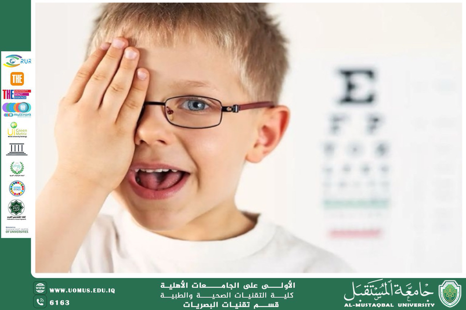
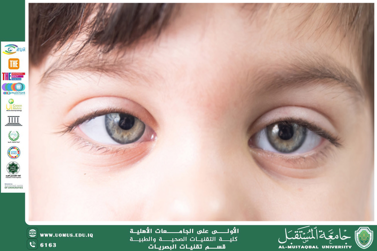
Amblyopia, commonly known as lazy eye, is a prevalent visual disorder in childhood that occurs when normal visual development is disrupted in one eye due to impaired communication between the eye and the brain. As a result, the brain gradually suppresses the image from the weaker eye, leading to reduced visual acuity. Common causes include strabismus (eye misalignment), significant refractive differences between the two eyes (anisometropia), or visual obstruction due to conditions such as ptosis (drooping eyelid) or congenital cataracts. Early signs in children may include head tilting, frequent eye rubbing, poor concentration, or noticeable eye deviation. Diagnosis is typically made through a comprehensive visual examination. Treatment options involve corrective eyeglasses, patching of the dominant eye, atropine eye drops to blur vision in the stronger eye, and vision therapy exercises. The likelihood of successful recovery increases significantly when treatment is initiated before the age of seven.