A scientific article by the lecturer,Asst. Lecturer Hassan Abdulhadi Al-Jaberi (Prevalence Rates of Refractive Errors Among School Students in Iraq: A Systematic Review and Meta-Analysis)
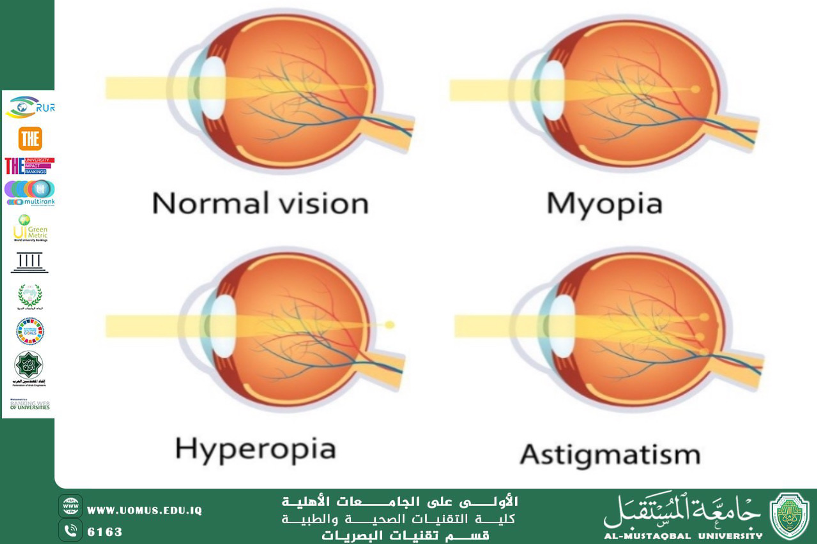
Refractive errors—such as myopia, hyperopia, and astigmatism—are among the leading causes affecting children’s ability to learn and concentrate in the classroom. Understanding the scale of this issue is especially crucial in Iraqi educational environments that face significant health and economic challenges.<br />In a recent scientific investigation, researchers conducted a systematic review and meta-analysis of all published studies examining the prevalence of refractive errors among school students in Iraq. Data were analyzed from 10 studies encompassing over 21,000 students from various provinces and age groups.<br />The analysis focused on estimating the overall prevalence rates of refractive errors and evaluating variations based on gender, geographic region, and type of refractive error. The results indicated that the overall prevalence of refractive errors among Iraqi schoolchildren is approximately 17.7%—a concerning figure given its direct impact on children’s academic performance and psychological well-being. Myopia was found to be the most common refractive error, followed by astigmatism, with significant variation observed between males and females, as well as between urban and rural areas.<br />The findings of this study highlight the urgent need to integrate vision screening into routine school health check-ups and to launch awareness campaigns targeting parents and school staff for early detection. The study also recommends the provision of affordable corrective eyewear through school-based healthcare programs.<br />In conclusion, this study underscores the importance of early intervention in addressing refractive errors among Iraqi schoolchildren as a means of supporting visual health and promoting educational development for future generations.<br />