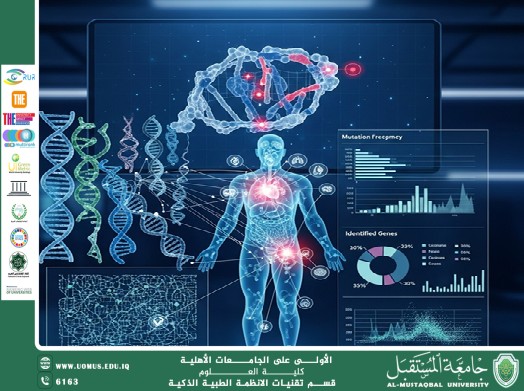
Precision Medicine: Leveraging AI for Genetic Data Analysis to Diagnose Rare Diseases (Programmer Aya Jamal Hedie)
Harnessing genetic data analysis with smart medical systems is sparking a revolution in precision medicine. Instead of focusing on a disease's visible symptoms, this advanced technology allows doctors and researchers to delve into the genetic root causes of an illness. The process begins with collecting the patient's DNA sample, which is then analyzed using advanced genetic sequencing machines. These devices generate massive amounts of raw data that are nearly impossible for a human to analyze manually. This is where artificial intelligence and machine learning systems come in, processing this data with incredible speed and efficiency.<br />The smart algorithms compare the patient's genetic sequence to vast databases containing reference genetic sequences from healthy individuals, along with information on known mutations linked to specific diseases. Through this comparison, the system can pinpoint any differences or genetic mutations that may be the underlying cause of the illness. This ability to accurately identify mutations responsible for rare diseases has a huge impact, as patients with these conditions often endure a long and frustrating diagnostic journey, sometimes taking many years to reach the correct diagnosis.<br />In addition to accelerating diagnosis, the use of smart systems for genetic data analysis opens the door to personalized medicine. Once the specific genetic mutation responsible for the disease is identified, doctors can design a customized treatment plan that targets that particular mutation, increasing the treatment's effectiveness and reducing its side effects. For example, a specific drug may only be effective for patients who carry a certain genetic mutation. Thanks to this technology, treatment is no longer a one-size-fits-all approach but is tailored specifically for each individual patient.<br /><br /><br />