The Impact of Air Pollution on Respiratory Health
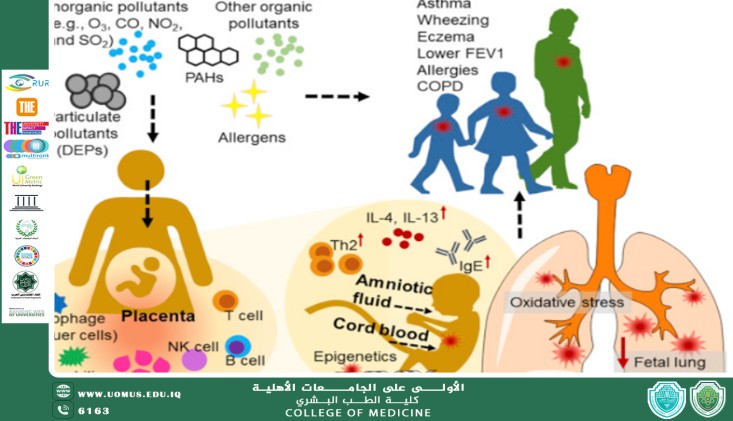
<br />I-) Air Pollution and Its Effects<br />1. Impact of Small Particulates<br />• particulates less than 2.5 microns in diameter. That are absorbed by the respiratory system and can spread to other body parts. Smaller particulates are expelled more efficiently through pulsation.<br />2. Short-term Harmlessness<br />• These particulates have an average lifespan of about one week.<br />3. Health Consequences of Air Pollution<br />• Air pollution can lead to serious diseases affecting the nose, throat, and respiratory tracts.<br />• Hot conditions allow floating particles to cool and cleanse the air, but small particulates are difficult to cough out.<br />4. Sources of Air Pollution Sources of Air Pollution<br /> 1. Natural Sources<br />• Volcanic Dust: Emissions from volcanic activity release fine particulate matter into the atmosphere.<br />• Pollen: Natural pollen from plants contributes to air quality issues, especially during certain seasons.<br />• Sandstorms: Winds can lift and carry sand and dust particles, affecting air quality.<br /> 2. Human-Made Sources<br />• Vehicles: Exhaust emissions from cars<br />• Industrial Activities: Factories emit various pollutants during manufacturing processes.<br />• Waste Incineration: Burning waste releases toxic substances into the air.<br />• Public Toilets: Improperly managed public sanitation facilities can contribute to air quality degradation.<br />• Indoor Activities: <br />o Heating systems can release pollutants indoors. Everyday activities can also produce indoor air pollution.<br />• Traffic Congestion: Traffic jams increased emissions due to idling vehicles.<br />• Combustion of Fossil Fuels: Burning coal, gas, and oil .<br />• Secondhand Smoke: Exhaled smoke from smokers <br />* Normal Breathing Process: Exhaled particles can also add<br />II. ) Mechanism of Impact on Health<br />• Air pollution can directly lead to throat cancer and damage respiratory systems.<br />• The analysis of how air pollution affects the upper respiratory tract is crucial to understanding its health impacts<br />A-Health Effects of Air Pollution on the Upper Respiratory Tract. Allergic Rhinitis : Pollutants trigger nasal hyperpermeability, causing symptoms like a runny nose, sneezing, and congestion as the body reacts to allergens (e.g., pollen, dust).<br />• Recurrent Pharyngitis : Dryness and irritation of the throat mucosa lead to frequent sore throats and discomfort during swallowing.<br />• Coughing & Irritation : Increased mucus production aims to expel harmful particles, resulting in persistent coughing and throat irritation.<br />• Chronic Inflammation Risk : Prolonged exposure to irritants (pollen, dust, pollutants) progress to chronic inflammation B. Long-term Chronic Effects<br />Chronic Sinusitis: Air pollution exposure is chronic, and the chances of repeated sinus infections will go up even further.<br />Nasal Polyps: Chronic inflammation of tissue can bring about abnormal growths in the nasal passages.<br />Upper Respiratory Tract Cancer: Carcinogenic substances in polluted air, such as polycyclic aromatic hydrocarbons (PAHs), increases the risk of cancers of the nose or larynx.<br />III)- The Most Affected Population groups:<br />Children: Their underdeveloped respiratory systems and higher breathing rates per kilogram of body weight as compared to adults place them at much greater risk.<br />Elderly People: Weakened chief immunity, and they already have chronic conditions like asthma or chronic obstructive pulmonary disease (COPD).<br />Allergic People: When pollution levels raise, the allergy,<br />Carbon Workers in Polluted Environments: which are directly in contact with pollution sources be jeopardized system penetration by these pollutants.<br />IV). Ways to Stop or Slow down Pollution down<br />A. Individual Level<br />Wearing Masks, Especially in Highly Polluted Areas Such as Industrial Cities. <br />Improving Indoor Air Quality: Use air purifiers, reduce secondhand smoke exposure.<br />Healthy Nutrition: Eat antioxidant-rich foods like fruits and tofu for a higher immunity.<br />B. Community Level Enforcing Strict Environmental Regulations: Reduce emissions from factories and vehicles.<br />Promoting Public Transport and Clean Energy: To promote the use of safe sources of energy and ways to get around. Let people know what these are.<br />Tree Planting: Trees are natural filters that purify the air.<br />