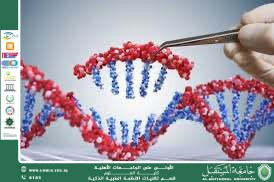
AI-Based Predictive Genetic Analysis: Toward a Generation Free from Genetic Diseases (By: Programmer Huda Khudair Hani)
AI-driven predictive genetic analysis is considered one of the most promising applications in modern medicine. This type of analysis allows for a deep understanding of an individual's genetic makeup and helps determine the likelihood of developing hereditary diseases before any symptoms appear. By analyzing DNA sequences using deep learning algorithms, it becomes possible to detect subtle genomic variations that are closely linked to complex diseases such as multiple sclerosis, hereditary cancers, and coronary heart diseases.<br /><br />Early detection of such mutations enables physicians to develop personalized preventive programs tailored to each person’s unique genetic profile. This significantly reduces the burden on healthcare systems and improves overall quality of life. Furthermore, this futuristic medical model aligns perfectly with sustainability goals: prevention reduces the need for expensive and prolonged treatments, minimizes the use of medications and medical supplies, and cuts down on related waste.<br /><br />The development of such technologies also supports smart healthcare infrastructure, reduces pressure on medical institutions, and enhances resource efficiency. Artificial intelligence in genetic analysis marks a fundamental shift from the traditional treatment-based model to an advanced preventive approach—one that fosters a sustainable health future grounded in precise, individualized knowledge.<br /><br />Al-Mustaqbal University — the number one university in Iraq.<br /><br />