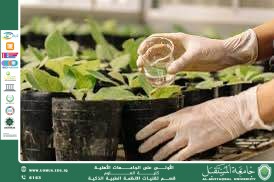
Pharmaceutical Agriculture: How Genetically Modified Plants Can Produce Sustainable Medicines (By: Programmer Huda Khudair Hani)
Pharmaceutical agriculture represents an innovative model for producing medicinal drugs through <br />genetically modified plants. Specific genes are introduced into selected plants to enable them to produce high-value pharmaceutical compounds such as vaccines, therapeutic enzymes, and medical proteins. This technology is a revolution in modern pharmaceutical manufacturing, as it combines low cost, reduced environmental impact, and ensured production abundance.<br /><br />Instead of relying on complex and costly chemical reactors, agricultural fields can be transformed into bio-factories that naturally, safely, and environmentally produce medications. A notable example is the production of insulin using genetically modified tobacco plants, which shows promising results at a much lower cost compared to traditional methods.<br /><br />Moreover, this technique helps overcome many challenges related to drug storage, refrigeration, and transportation, as the plants used can be cultivated in diverse environments. Pharmaceutical agriculture is closely tied to the principles of environmental and health sustainability. It contributes to reducing the carbon footprint of the pharmaceutical industry, supports local production, and reduces dependency on imports — thereby enhancing the resilience of health systems.<br /><br />This technology represents a brilliant integration of genetics, agricultural innovation, and sustainable biomanufacturing, making it one of the future pathways toward achieving comprehensive and environmentally harmonious pharmaceutical and health security.<br />Al-Mustaqbal University — the number one university in Iraq.<br /><br />