Prediction of Diseases and Health Complications Through Intelligent Systems ( Asst. Lecturer Ali Saleem Haleem )
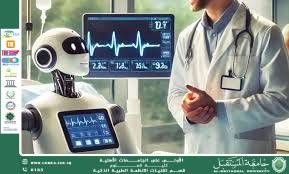
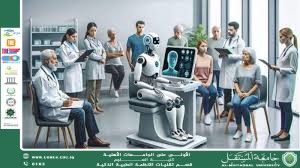
Artificial intelligence is not limited to current diagnosis but also extends to predicting the future health of patients. Predictive algorithms use data such as medical history, vital signs, and genetic factors. By analyzing these inputs, the system can estimate the likelihood of developing certain diseases within a given timeframe. For example, it can predict the potential occurrence of a stroke or a heart attack. This capability opens the door to prevention and early intervention.<br />These systems rely on analyzing hundreds of variables that may be interrelated in ways not easily recognized by physicians. The algorithms search for recurring patterns that have been clinically linked to serious complications in previous studies. When similarities are detected, the system generates an alert for the physician or medical team. This enables the development of a treatment or preventive plan before the condition worsens, thereby reducing the number of emergency hospital admissions.<br />Despite the advantages of predictive models, their accuracy heavily depends on the quality of the input data. Any errors or gaps in the medical record may lead to inaccurate predictions. Therefore, it is crucial to ensure that medical records are continuously updated and comprehensive. Additionally, physicians must be educated on how to interpret these predictive results so they can be integrated safely and effectively into clinical practice.<br />Al-Mustaqbal University – The First University in Iraq<br /><br /><br />