Smart Health Monitoring for Patients: Enhancing Continuous Care (By: Asst. Lect. Ali Salim Haleem)
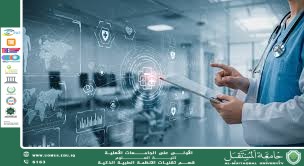
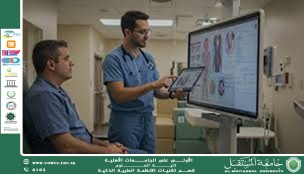
Smart patient monitoring is one of the most prominent applications of artificial intelligence in immediate healthcare. Sensors are used to measure vital signs such as blood pressure, heart rate, and body temperature. These devices are connected to analytical systems that monitor the data in real time, searching for any abnormalities. If an unusual change occurs, the medical staff is immediately alerted, which speeds up the response and reduces the risk of complications.<br />This technology is widely used in intensive care units and for monitoring chronic patients. It has also become common in home healthcare, especially for the elderly or those with serious illnesses. Patients can wear small devices that continuously transmit their health data to their doctor. This gives them freedom of movement without neglecting essential health monitoring and reduces the need for frequent hospital visits.<br />One of the key benefits of these systems is their ability to learn from past data. Over time, they become more capable of predicting emergencies even before they occur. This makes healthcare more proactive and effective. Additionally, it helps reduce the workload on nurses and doctors, while providing a safer environment for patients. All of this ultimately leads to improved quality of life and better health stability for patients.<br /><br />Al-Mustaqbal University – The First University in Iraq<br /><br /><br />