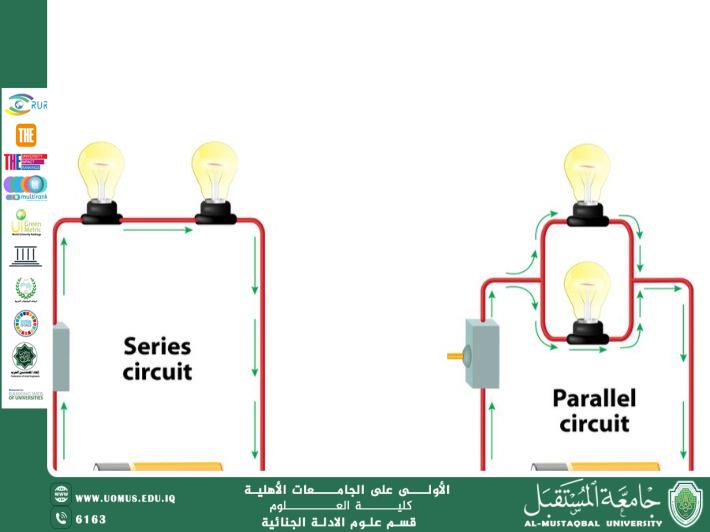
Circuit Theory and Its Relation to Forensic Evidence (M.M. Riyam Thaer Ahmed)
Circuit Theory is one of the fundamental principles in electrical engineering, focusing on the study of the relationship between voltage, current, resistance, and other electrical components within a circuit. This theory provides the foundation for understanding how electricity flows and how electronic and electrical devices operate.<br /><br />In the field of forensic science, circuit theory plays a significant role in investigations involving electrical or electronic crimes. For example:<br /><br />In cases of electrical fires, forensic experts analyze electrical circuits to determine whether the fire was caused by a technical fault or intentional sabotage.<br /><br />In electricity theft cases, examining electrical circuits can reveal tampering with meters or unauthorized connections to the grid.<br /><br />In cybercrime investigations, circuit-level analysis of seized devices such as computers and mobile phones can uncover evidence of manipulation or illegal modifications.<br /><br />Thus, the application of circuit theory extends beyond academic and industrial contexts, serving as an effective tool in supporting justice and uncovering the truth through technical evidence.<br /><br />Al-Mustaqbal University – The First University in Iraq