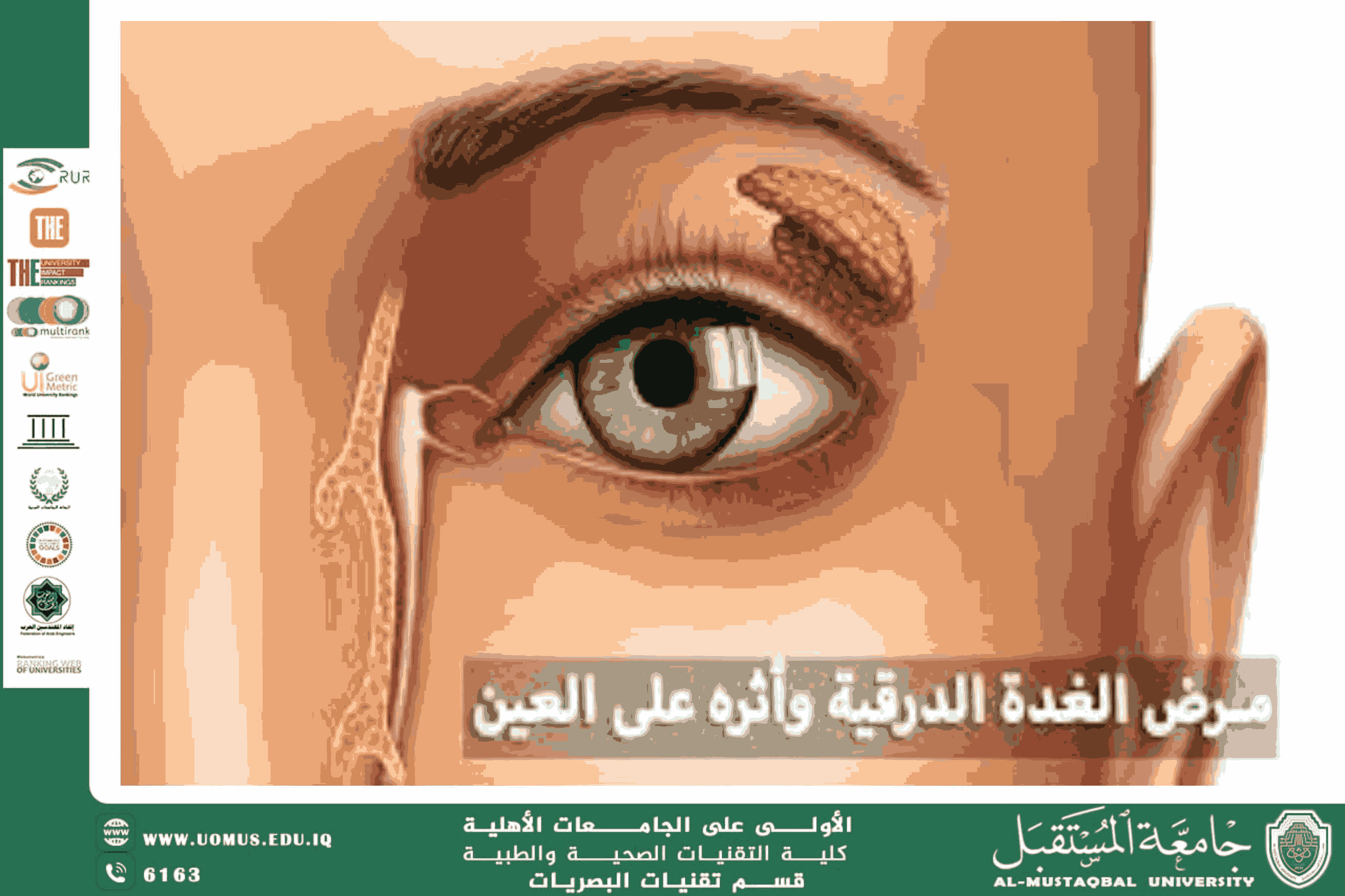
A scientific article by the lecturers, Assist.Lect. Mohaimen Sameer Aref (Thyroid Eye Disease: Clinical and Pathophysiological Insights)
Thyroid Eye Disease (TED), most commonly associated with Graves’ disease, represents an autoimmune inflammatory disorder of orbital tissues.<br /><br />Pathophysiologically, thyroid-stimulating hormone receptor antibodies (TSHR-Ab) cross-react with receptors on orbital fibroblasts, leading to glycosaminoglycan (GAG) deposition, tissue edema, and extraocular muscle hypertrophy. Clinically, TED manifests as proptosis, lid retraction, chemosis, diplopia, and in severe cases, compressive optic neuropathy.<br />Diagnostic tools include MRI imaging showing muscle belly enlargement with tendon sparing, and exophthalmometry (Hertel).<br />Treatment strategies depend on disease activity:<br />• Active phase: corticosteroids, immunomodulators, and targeted therapy such as Teprotumumab (IGF-1R inhibitor).<br />• Inactive phase: surgical interventions, including orbital decompression and strabismus correction.<br /><br />Future Perspectives<br />Emerging monoclonal antibody therapies and molecular biomarkers promise earlier detection and improved patient outcomes.<br /><br />Conclusion<br />TED requires a multidisciplinary approach, integrating endocrinology and ophthalmology to preserve visual function and improve quality of life.<br />