Computer Disassembly and Its Role in Revealing Forensic Evidence (Waqar Chafat Jassim)
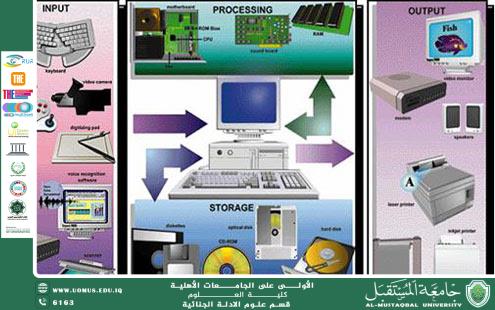
Computer disassembly is one of the most critical steps in digital forensic investigations, as it allows experts to access the internal components of a device such as hard drives, RAM, and electronic boards. Through this meticulous process, stored or deleted data can be retrieved, often serving as crucial evidence in criminal cases or cybercrime investigations.<br /><br />This work is conducted in specialized laboratory environments, following strict legal and technical standards to ensure the integrity and credibility of the evidence before courts. Computer disassembly also helps uncover attempts of tampering with systems or installing malicious software that threatens information security.<br /><br />The practice aligns closely with the United Nations Sustainable Development Goals, particularly Goal 16 (Peace, Justice, and Strong Institutions), by reinforcing the rule of law through reliable evidence, and Goal 9 (Industry, Innovation, and Infrastructure), by advancing technologies for electronic device analysis. Thus, this field stands as a vital pillar in achieving digital justice and safeguarding societies from cyber risks.<br /><br />Al-Mustaqbal University the first university in Iraq<br/><br/><a href=https://www.un.org/sustainabledevelopment/ar/ target=_blank>SDGS</a>