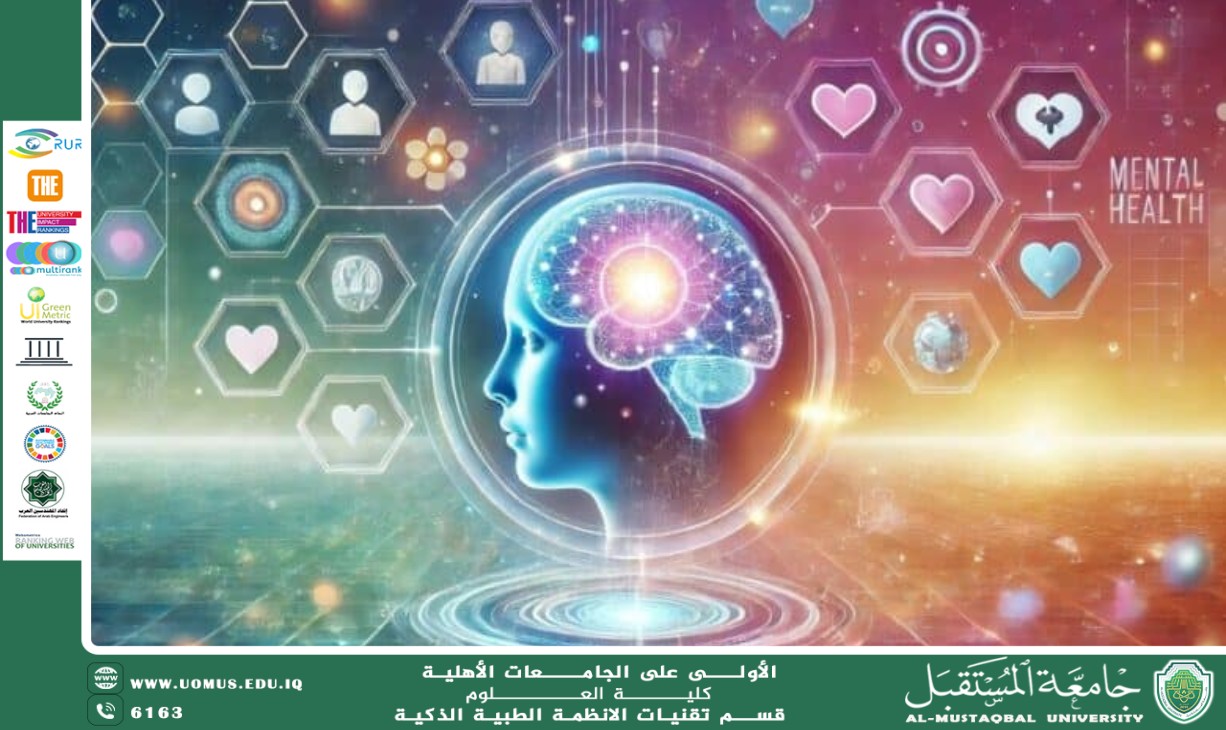

Digital Cognitive Behavioral Therapy and Sentiment Analysis: Artificial Intelligence in the Service of Mental Health (Dr. Maitham Nabeel Meqdad)
Introduction<br />Mental health has long suffered from neglect compared to physical medicine, even though the World Health Organization emphasizes that mental disorders such as depression and anxiety impose a tremendous economic and social burden on individuals and societies. In recent years, artificial intelligence (AI) technologies have begun to bridge this gap by developing digital cognitive behavioral therapy (Digital CBT) and applications capable of real-time mood tracking and sentiment analysis.<br />Digital Cognitive Behavioral Therapy<br />Digital behavioral therapy is based on virtual platforms that provide interactive therapeutic sessions, managed by an AI system trained on cognitive behavioral therapy protocols. This model allows patients to access treatment services anytime and anywhere—an aspect of critical importance in communities suffering from a shortage of mental health professionals, such as Iraq.<br />Sentiment Analysis and AI Techniques<br />On the other hand, sentiment analysis technologies enable monitoring of mood and behavioral changes through interactions with written texts or even vocal tone. Such data help physicians and therapists build a more comprehensive and accurate picture of a patient’s psychological state, thereby improving the chances of early intervention before symptoms develop into severe disorders.<br />Ethical Challenges<br />Ethical challenges remain present, as collecting sensitive psychological data raises serious concerns about privacy and digital security. Therefore, the success of these applications depends on the presence of clear regulatory frameworks and strict policies that ensure the protection of users’ data and reinforce their trust in such technologies.<br />Conclusion and Sustainable Development Goals<br />It can be stated that AI does not replace the role of the psychotherapist; rather, it enhances their effectiveness and broadens the reach of services to wider populations. With the increasing rates of mental disorders following wars and economic crises in Iraq, adopting digital therapy and sentiment analysis could represent a qualitative leap in improving the mental health of society.<br />This approach can be directly linked to the United Nations Sustainable Development Goals (SDGs):<br />• Goal 3 (Good Health and Well-Being): By providing innovative solutions to address mental disorders and improve quality of life.<br />• Goal 9 (Industry, Innovation, and Infrastructure): Through supporting innovation in digital health and developing advanced technological infrastructures capable of delivering remote therapy.<br />• Goal 10 (Reduced Inequalities): By making digital mental health services accessible to a wide segment of the population, including those living in remote areas or facing limited access to traditional <br /><br /><br />Al-Mustaqbal University is the first one university in Iraq.<br /><br />