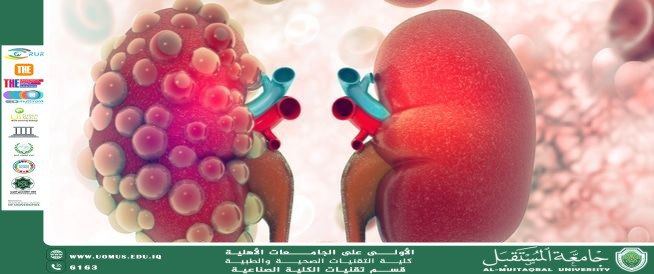
Polycystic Kidney Disease: Symptoms, Causes, and Treatment
Prepared by: Ms. Tabarak Ahmed Turki Al-Azzawi<br />Introduction<br />Polycystic Kidney Disease (PKD)<br />Polycystic kidney disease is a condition that affects the kidneys and is considered a hereditary disorder. It is characterized by the formation of fluid-filled cysts within the kidneys. These cysts grow gradually, replacing healthy kidney tissue. This replacement of functional kidney tissue can lead to congestive kidney failure.<br />Polycystic kidney disease differs from simple kidney cysts that may appear with aging, as the latter are generally less harmful and less severe than PKD. PKD is considered a progression of chronic kidney disease and is a serious condition that may also pose risks to the heart and blood vessels, and can affect the liver by forming cysts.<br />Types of Polycystic Kidney Disease<br />There are two main types of polycystic kidney disease:<br /> 1. Autosomal Dominant Polycystic Kidney Disease (ADPKD)<br />This is the most common hereditary kidney disorder. Most affected individuals live healthy lives until symptoms begin to appear in their 30s or 40s. The disease is usually mild in most patients, but severe cases can progress to congestive kidney failure in about 50% of patients by their 60s.<br /> 2. Autosomal Recessive Polycystic Kidney Disease (ARPKD)<br />This is a rare genetic disorder. If both parents carry the defective gene, there is a 25% chance that their child will develop the disease. In some cases, symptoms appear early during fetal development and may lead to kidney failure.<br />Symptoms of Polycystic Kidney Disease<br /> • Noticeable abdominal enlargement<br /> • Frequent urinary tract and kidney infections<br /> • Presence of blood in urine<br /> • Pain in the back or sides<br /> • High blood pressure<br />High blood pressure is the most common sign associated with PKD and can sometimes be accompanied by headaches. Early management of hypertension can help control polycystic kidney disease and prevent progression to kidney failure.<br />Causes and Risk Factors of PKD<br /> 1. Causes<br />The disease occurs due to one of the following:<br /> • Dominant gene inheritance: The dominant genes responsible for PKD are inherited, making this the more common form. About 50% of children born to affected parents will develop the disease, usually appearing in their 30s or 40s.<br /> • Recessive gene inheritance: A rare form where symptoms may appear in utero or immediately after birth. Both parents must carry the defective gene for the child to be affected, with a 25% chance of occurrence.<br />Other risk factors include:<br /> • Strong family history of the condition<br /> • Aging, particularly in cases of simple kidney cysts<br /> • Long-term dialysis<br /> • Maternal inheritance, which may increase disease severity<br />Treatment of Polycystic Kidney Disease<br /> • Medication management: Controlling blood pressure using ACE inhibitors or angiotensin receptor blockers<br /> • Pain control: Using appropriate analgesics such as paracetamol, while avoiding non-steroidal anti-inflammatory drugs<br /> • Infection treatment: Prompt antibiotic therapy for urinary tract infections<br /> • Cyst management: Draining large cysts to relieve pressure and pain<br /> • Supporting kidney function: Maintaining proper hydration and following dietary recommendations<br />Conclusion<br />Successful management of polycystic kidney disease largely depends on early detection and continuous medical care. Early diagnosis, careful monitoring, and adherence to preventive measures are essential to slow disease progression and reduce complications. Regular check-ups and prompt attention to symptoms help prevent serious outcomes.<br />Al-Mustaqbal University the First in Iraq