AI-Integrated Telemedicine Platforms — A Revolution in Medical Consultations (Prof. Dr. Mehdi Ebady Manaa)
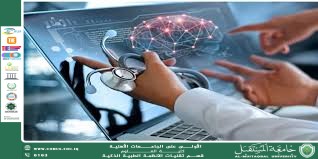
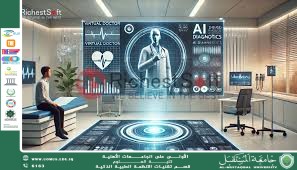
<br />In recent years, the healthcare sector has witnessed a qualitative transformation with the rise of telemedicine platforms, whose effectiveness has been significantly enhanced through the integration of artificial intelligence (AI). Deep learning algorithms are now capable of analyzing patients’ medical history, laboratory test results, and radiological images to generate preliminary recommendations that support medical decision-making prior to direct consultation with a physician.<br />Expanding Access to Healthcare Services<br />One of the most notable advantages of these platforms lies in their ability to broaden access to healthcare, particularly in rural or remote areas suffering from shortages of medical professionals. For instance, a patient in a distant province in Iraq can receive specialized consultation in cardiology or diabetes without the burden of traveling long distances, thereby saving time and reducing financial costs.<br />• This aligns with SDG 3 (Good Health and Well-being) by ensuring wider and faster access to healthcare.<br />• It also supports SDG 10 (Reduced Inequalities) by bridging the gap between urban and rural regions.<br />Enhancing Clinical Care Quality<br />Recent studies have shown that employing AI in telemedicine can increase the accuracy of preliminary diagnoses by 15–20%, while reducing human errors in interpreting test results or medical images. These systems also enable continuous monitoring of chronic patients, sending alerts to physicians in critical cases such as elevated blood pressure or blood sugar levels.<br />• This contributes to SDG 3 (Good Health) by improving diagnostic accuracy and reducing health risks.<br />• It also supports SDG 9 (Industry, Innovation, and Infrastructure) by integrating technological innovation into healthcare systems.<br />Technical and Security Challenges<br />Despite its significant benefits, this field faces fundamental challenges, most notably the protection of sensitive medical data and ensuring digital security. Advanced encryption and blockchain technologies are increasingly adopted to safeguard medical records. Furthermore, the successful implementation of these systems requires intensive training for physicians to interact effectively with AI recommendations while retaining their ultimate clinical decision-making authority.<br />• This reinforces SDG 4 (Quality Education) through capacity-building for medical professionals in AI technologies.<br />• It also aligns with SDG 16 (Peace, Justice, and Strong Institutions) by safeguarding patient privacy and ensuring ethical use of technology.<br />Towards a More Sustainable Healthcare Future<br />AI-integrated telemedicine platforms represent a strategic step towards redefining healthcare services, improving quality of care, and reducing the burden on traditional hospitals. In developing countries such as Iraq, these technologies provide practical solutions to the challenges of limited medical resources and restricted access to specialized care.<br />• This clearly links with SDG 17 (Partnerships for the Goals) by promoting international collaboration and knowledge exchange in the field of AI in healthcare.<br />The integration of AI with telemedicine is not only a technological revolution in the medical field, but also a comprehensive pathway to achieving several goals of the 2030 Sustainable Development Agenda, particularly SDGs 3, 4, 9, 10, 16, and 17. Accordingly, these platforms are not merely medical tools, but rather comprehensive developmental strategies for building a healthcare system that is more equitable, efficient, and sustainable.<br /><br /><br /><br /><br />Al-Mustaqbal University is the first one university in Iraq.<br />