
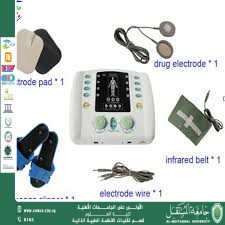
Digital Therapeutics — Intelligent Stimulation and Personalized Patient Training (Dr. Meytham N. Meqdad)
<br />Digital therapeutics (DTx) represent one of the most significant transformations in modern healthcare, employing technology and artificial intelligence to deliver interactive therapeutic programs designed to enhance patients’ physical and psychological well-being. This form of therapy is based on continuous health education, behavioral training, and intelligent stimulation to improve patient adherence to prescribed treatment plans.<br />Intelligent Personalization and Improved Treatment Adherence<br />Artificial intelligence enables the customization of therapeutic programs tailored to each patient’s individual physical and psychological capabilities, as well as their level of commitment to treatment. In chronic conditions such as diabetes and hypertension, these systems allow patients to monitor their daily vital indicators while providing continuous encouragement to adopt healthy lifestyle changes, including diet regulation and physical activity.<br />• This contributes to SDG 3 (Good Health and Well-being) by strengthening prevention and improving the management of chronic diseases.<br />• It also aligns with SDG 10 (Reduced Inequalities) by ensuring equitable therapeutic support, even for patients in underserved communities.<br />Better Clinical Outcomes and Reduced Complications<br />Studies indicate that patients using digital therapeutic programs achieve better control of health indicators compared to those receiving only traditional care. Furthermore, these programs reduce treatment non-adherence and enhance compliance with medication regimens, thereby lowering the risk of long-term complications of chronic illnesses.<br />• This supports SDG 3 (Good Health) by reducing complications and mortality rates associated with chronic diseases.<br />• It also contributes to SDG 9 (Industry, Innovation, and Infrastructure) by integrating digital innovations into healthcare systems.<br />The Role of Data in Improving Care<br />Digital therapeutics generate valuable and precise data for physicians regarding patients’ daily performance and treatment response, enabling rapid modifications to therapeutic plans according to individual needs. This dynamic interaction between patient and physician fosters a more effective and responsive model of care.<br />• This enhances SDG 4 (Quality Education) by training healthcare professionals to effectively utilize advanced digital health data.<br />• It also supports SDG 16 (Peace, Justice, and Strong Institutions) by promoting the ethical and secure use of health information.<br />Digital and Security Challenges<br />Despite their advantages, digital therapeutics face challenges such as the digital divide among patients—particularly older adults or those with limited technical literacy—highlighting the need for more user-friendly and inclusive applications. Furthermore, data security and privacy remain central concerns, requiring strict adherence to global standards such as HIPAA and GDPR.<br />• This strengthens SDG 10 (Reduced Inequalities) by narrowing the digital gap.<br />• It also aligns with SDG 16 (Peace, Justice, and Strong Institutions) by ensuring transparency and protecting patient privacy.<br />Towards Personalized and Sustainable Healthcare<br />Digital therapeutics represent a strategic step toward personalized and sustainable healthcare, empowering patients as active partners in managing their health while reducing dependence on limited traditional resources. In Iraq and other developing countries, these technologies can offer practical solutions to challenges such as the shortage of medical staff and healthcare infrastructure, making them a cornerstone of the future of healthcare.<br />• This is strongly linked to SDG 17 (Partnerships for the Goals) by fostering international collaboration in the development and application of digital therapeutic technologies.<br />Digital therapeutics are not merely a technological application, but rather an intelligent therapeutic revolution that strengthens the partnership between patients and physicians. They directly contribute to the achievement of multiple Sustainable Development Goals (SDGs 3, 4, 9, 10, 16, 17), positioning them as an effective tool for reshaping healthcare systems toward greater equity, efficiency, and sustainability.<br /><br /><br /><br /><br /><br /><br />Al-Mustaqbal University is the first one university in Iraq.<br />