Blockchain for Enhancing the Security of Artificial Intelligence Systems in Medicine and Its Role in Achieving Sustainable Development Goals (Asst. Lecturer Ali Salim Haleem)
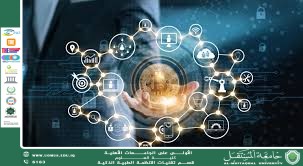
<br />Blockchain technology has emerged as a pivotal tool in securing digital transactions, and with its integration into healthcare, it has proven to be a powerful means of ensuring the protection of medical data and the integrity of patient records. This technology is distinguished by its ability to create an immutable and encrypted ledger, where every modification or access to data is recorded transparently and securely.<br />Integrating artificial intelligence (AI) with blockchain provides a fundamental solution to one of the major challenges in digital health: the reliance on centralized databases that are vulnerable to cyberattacks. By adopting a distributed network of encrypted nodes, blockchain ensures that updates are traceable and verifiable in real-time, thus reducing the risks of manipulation or data loss.<br />In medical practice, this technology can be utilized to secure electronic health records (EHRs), laboratory test results, medical imaging data, and even AI-generated treatment recommendations. Furthermore, blockchain offers a secure and transparent platform for recording clinical trial data, ensuring the integrity of results and the protection of participants’ rights.<br />Despite its vast potential, this technology faces practical challenges such as high infrastructure costs, the need for specialized workforce training, and the complexities of integrating with existing healthcare systems. Nevertheless, its benefits in enhancing security and trust make it an essential tool for shaping the future of digital healthcare, particularly in countries striving to build advanced health systems.<br />________________________________________<br />Alignment with Sustainable Development Goals (SDGs)<br />• Goal 3: Good Health and Well-Being (SDG 3):<br />Securing medical data and preventing manipulation contribute to improving the quality of healthcare and ensuring patients’ access to safe and accurate treatment.<br />• Goal 9: Industry, Innovation, and Infrastructure (SDG 9):<br />The integration of blockchain with AI represents an innovative model for developing digital infrastructure, fostering innovation in the healthcare sector.<br />• Goal 10: Reduced Inequalities (SDG 10):<br />Through the adoption of distributed and secure networks, developing countries can benefit from transparent and reliable digital health systems that reduce the technological gap.<br />• Goal 17: Partnerships for the Goals (SDG 17):<br />Implementing these advanced technologies requires collaboration among universities, hospitals, technology companies, and international organizations, thereby strengthening global partnerships.<br /><br /><br />Al-Mustaqbal University – The First University in Iraq.<br /><br />