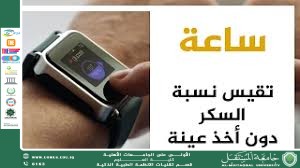

Non-Invasive Glucose Monitoring through Smartwatches — The Future of Diabetes Care and Its Role in Achieving Sustainable Development Goals (Programmer Huda Khudair Hani)
<br />Diabetes mellitus is one of the most widespread chronic diseases worldwide, posing a daily challenge for millions of patients in monitoring their blood glucose levels. Traditionally, glucose measurement relies on finger-prick testing, which is not only painful but also limits patient adherence to continuous monitoring, particularly among children and the elderly.<br />In this context, smartwatches and non-invasive biosensors have emerged as innovative solutions. These devices allow for glucose monitoring without the need for finger-pricking, relying on technologies such as infrared sensing and skin spectroscopy. By integrating artificial intelligence (AI) algorithms, they analyze continuous streams of data including glucose levels, heart rate, physical activity, and dietary habits, thereby providing real-time alerts for any abnormal fluctuations.<br />Such continuous monitoring improves disease management and reduces long-term complications such as retinopathy, kidney failure, and cardiovascular diseases. Recent studies indicate that the adoption of these technologies increases treatment adherence rates by 30–40% and reduces emergency cases caused by sudden hypo- or hyperglycemia. Moreover, AI integration enables personalized recommendations regarding medication dosage, nutrition, and physical activity.<br />Nevertheless, challenges remain, particularly regarding the high cost and limited availability of these devices, especially in developing countries such as Iraq. Additionally, safeguarding personal health data and ensuring digital privacy remain critical concerns, given that sensitive medical information is stored on internet-connected devices.<br />In summary, non-invasive glucose monitoring through smartwatches represents a paradigm shift in diabetes care, transforming disease management from traditional, paper-based approaches to a smart, continuous, and effective model that enhances safety and improves patients’ quality of life.<br />Alignment with Sustainable Development Goals (SDGs)<br />• Goal 3: Good Health and Well-Being (SDG 3):<br />Non-invasive glucose monitoring enhances healthcare quality for diabetic patients by enabling continuous follow-up and reducing the risk of severe complications.<br />• Goal 9: Industry, Innovation, and Infrastructure (SDG 9):<br />The development of smartwatches and biosensors exemplifies innovation in healthcare technology, driven by AI and spectroscopic techniques.<br />• Goal 10: Reduced Inequalities (SDG 10):<br />Ensuring affordable access to such devices can help bridge healthcare gaps between developed and developing nations, promoting fairness in access to advanced medical solutions.<br />• Goal 17: Partnerships for the Goals (SDG 17):<br />The widespread adoption of this technology requires strong collaboration among governments, technology companies, hospitals, and civil society organizations to maximize its benefits globally.<br /><br /><br /><br />Al-Mustaqbal University – The First University in Iraq.<br /><br />