Oligonucleotide Therapies: Redefining Medicine at the Genetic Level (Asst. Lecturer Najat Hameed Jasim)
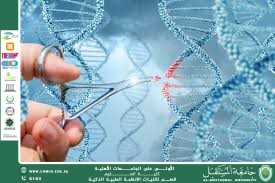
<br />In recent years, there has been a remarkable leap in the field of gene therapies, with the emergence of oligonucleotide therapies (ONTs) as one of the most significant modern trends. These therapies rely on short strands of DNA or RNA to influence gene expression responsible for diseases, whether genetic or associated with chronic inflammations. This opens the door to a more precise and fair approach to medicine.<br />The fundamental principle of these therapies is the direct targeting of the disease-causing gene, which allows for reducing or modifying the production of harmful proteins without affecting other vital functions of the body. A clear example is the success of some applications in treating spinal muscular atrophy (SMA), where these therapies have contributed to improving muscle strength and motor function in patients.<br />Personalized and Molecular Medicine<br />What distinguishes this approach is its role in ushering in the era of personalized medicine, where treatments can be tailored to each patient based on their genetic profile. This shift reduces reliance on traditional, generalized medications that often cause widespread side effects, thereby improving patients’ quality of life. Here, we see harmony with the principles of SDG 3 (Good Health and Well-being) by enhancing healthcare with precision and effectiveness.<br />Challenges<br />Despite the promising horizons, oligonucleotide therapies still face major challenges, such as:<br />• The high cost and difficulty of widespread accessibility.<br />• The need for advanced laboratories and strong infrastructure.<br />• Ensuring patient safety during large-scale applications.<br />These challenges emphasize the necessity of fostering international partnerships and collaboration between research centers and pharmaceutical companies, in line with the spirit of SDG 17 (Partnerships for the Goals).<br />The Role of Artificial Intelligence<br />Artificial intelligence (AI) plays a crucial role in accelerating research and development, by designing more efficient molecules and reducing human error. This represents an integration of technological advancement with healthcare innovation, reflecting the essence of SDG 9 (Industry, Innovation, and Infrastructure) in serving medicine.<br />Oligonucleotide therapies are not merely a new medical technique; they represent a scientific revolution that redefines medicine at the genetic level, offering patients more personalized and effective treatment options. Despite the challenges, this direction in therapy aligns with the Sustainable Development Goals by promoting health, innovation, and equity in access to care, making it a strategic step toward a healthier, fairer, and more sustainable future.<br /><br />Al-Mustaqbal University – The First University in Iraq.<br /><br />