Robotics and Automation in Healthcare — From Surgeries to Logistics (Prof. Dr. Mehdi Ebady Manaa)
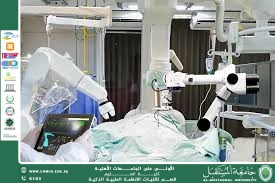
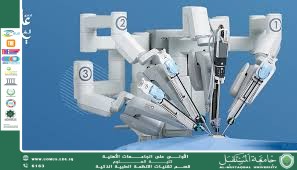
<br />In recent decades, healthcare has undergone a qualitative transformation with the introduction of robotics and automated control systems across various aspects of medical practice. Robotic surgery has emerged as a prominent example of this advancement, providing high precision that reduces complications and accelerates recovery after operations. Among the most notable systems is the Da Vinci Surgical System, which enables surgeons to control surgical instruments through precise digital interfaces while enhancing three-dimensional visualization of the surgical site.<br />The role of robotics is not limited to operating rooms; it also extends to medical logistics within hospitals, including drug delivery to patients, transportation of laboratory samples, and intelligent medical inventory management. Such applications reduce human error and allow medical staff to devote more time to direct patient care.<br />Automation has also contributed to the advancement of chronic disease monitoring, where robots continuously collect vital signs and send immediate alerts upon detecting any health abnormalities. This enables faster responses and more effective medical interventions.<br />Despite these significant benefits, these technologies face several challenges, most notably high costs, the need for regular maintenance, and the requirement to train staff to handle complex systems. Nevertheless, integrating artificial intelligence with robotics enhances hospital efficiency and safety while alleviating the growing pressure on healthcare professionals, particularly in high-demand environments.<br />Alignment with the Sustainable Development Goals (SDGs)<br />• Goal 3: Good Health and Well-being<br />Robotics improves the quality of medical services, reduces complications, and enhances rapid response in patient monitoring.<br />• Goal 4: Quality Education<br />The introduction of advanced technologies such as robotics requires continuous training and educational programs, thereby strengthening medical and engineering education and developing staff competencies.<br />• Goal 9: Industry, Innovation, and Infrastructure<br />The development of medical robotics fosters innovation in the healthcare sector and supports the digital infrastructure of medical institutions.<br />The integration of robotics and automation in healthcare represents a pivotal step toward achieving several Sustainable Development Goals, by improving quality of life, supporting education, fostering innovation, reducing healthcare disparities, and expanding international partnerships.<br /><br />Al-Mustaqbal University – The First University in Iraq.<br /><br /><br /><br />