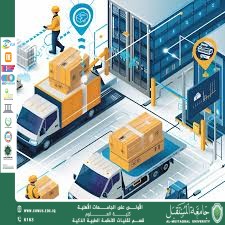
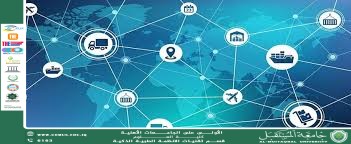
Reducing Supply Chain Emissions in the Healthcare Sector through Partnerships (Asst. Lecturer Ali Salim Haleem)<br />The healthcare supply chain is one of the main contributors to the environmental footprint of medical institutions, encompassing the transportation of medicines, medical equipment, and daily consumables. These operations often rely on traditional modes of transport that consume large amounts of fossil fuels, thereby increasing carbon emissions.<br />However, advancements in modern management strategies open the door to more sustainable solutions. Through effective partnerships with suppliers, hospitals can redesign their logistics systems to become more efficient and environmentally friendly. Examples include:<br />• Utilizing electric and hybrid vehicles for transportation and distribution.<br />• Optimizing delivery routes through artificial intelligence algorithms to reduce travel distance and time.<br />• Implementing smart inventory management systems that supply medical materials based on actual demand, thereby minimizing waste.<br />These initiatives not only help reduce environmental impact but also improve operational efficiency and lower costs, which is especially critical in developing countries like Iraq where resources are limited. Furthermore, engaging suppliers and training medical and administrative staff significantly enhances the likelihood of success in achieving sustainable transformation.<br />________________________________________<br />Alignment with Sustainable Development Goals (SDGs):<br />1. Goal 3: Good Health and Well-being<br />o Improving supply chain efficiency ensures continuous availability of medicines and supplies for patients.<br />2. Goal 7: Affordable and Clean Energy<br />o Transitioning to electric vehicles and low-emission technologies in transportation.<br />3. Goal 9: Industry, Innovation, and Infrastructure<br />o Developing innovative distribution systems using AI and sustainable infrastructure.<br />4. Goal 12: Responsible Consumption and Production<br />o Reducing waste in medical supplies through smart inventory management policies.<br />Reducing supply chain emissions in the healthcare sector is not merely an administrative directive, but rather an environmental commitment and strategic partnership that brings together innovation, operational efficiency, and environmental protection. This represents a crucial step toward building a more sustainable and resilient healthcare sector, aligned with the 2030 Sustainable Development Agenda.<br /><br />Al-Mustaqbal University – The First University in Iraq.<br /><br />