Medical Nanorobots: Between Precise Drug Delivery and Microsurgery (Asst. Lecturer: Qusay Munir Diab)
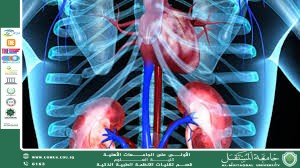
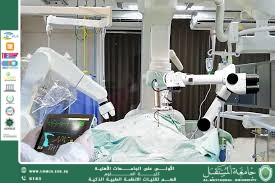
<br />Medical nanorobots represent a breakthrough in modern healthcare. These tiny machines are capable of navigating inside the human body and reaching sites that are otherwise inaccessible with traditional tools. Their most prominent application is targeted drug delivery, which allows medication to reach diseased cells directly, reducing overall dosage and minimizing side effects. Additionally, they can be employed in microsurgical interventions such as removing very small tumors or repairing tissues with minimal surgical incisions—leading to faster recovery and safer outcomes.<br />Nanorobots function in integration with artificial intelligence algorithms, which enable them to:<br />• Identify diseased cells with extreme precision.<br />• Continuously monitor the body’s response in real time.<br />• Adjust dosages or interventions instantly according to patient needs.<br />This integration paves the way for personalized medicine, where every patient receives a treatment tailored specifically to their condition.<br />Key SDG Contributions <br />• SDG 3 (Good Health and Well-Being): By improving treatment outcomes, minimizing complications, and shortening recovery time, nanorobots enhance both health and quality of life.<br />• SDG 9 (Industry, Innovation, and Infrastructure): Nanorobots combined with AI showcase the height of medical innovation and reflect the progress of scientific and industrial infrastructure in advancing healthcare.<br />• SDG 12 (Responsible Consumption and Production): Designing safe and biodegradable nanomaterials ensures environmentally responsible practices and safe disposal after use.<br />Challenges<br />Despite their potential, several challenges remain:<br />1. Developing safe nanomaterials that are non-toxic and effective inside the body.<br />2. Achieving precise control of nanorobot navigation in the complex biological environment.<br />3. Ensuring safe elimination of nanorobots after task completion to avoid harmful accumulation.<br /><br />Al-Mustaqbal University – The First University in Iraq.<br />