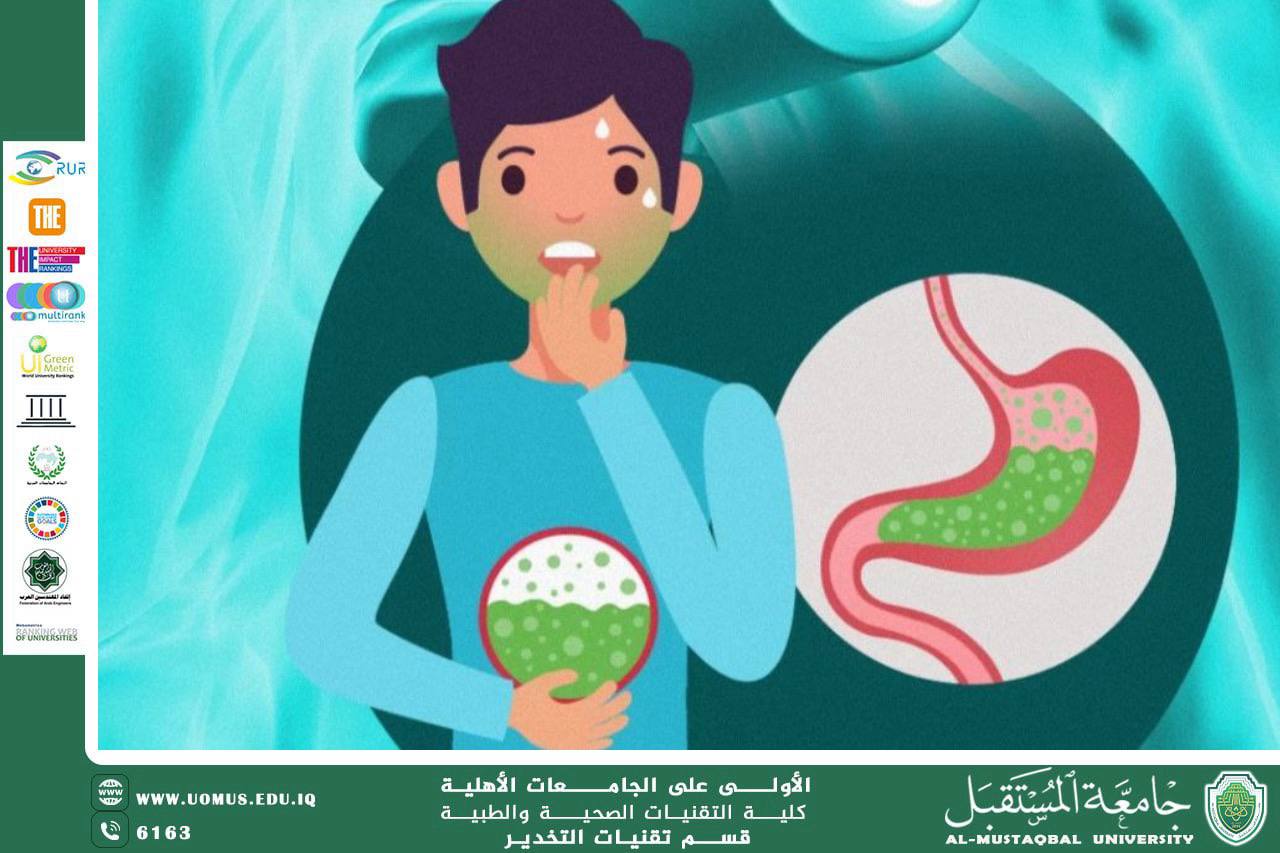
Postoperative Nausea and Vomiting (PONV)
Postoperative nausea and vomiting (PONV) are among the most common complications following anesthesia, affecting approximately 20–30% of patients. In high-risk groups, the incidence may rise to 70–80%. Although PONV is rarely life-threatening, it can cause significant discomfort for the patient and delay recovery and hospital discharge.<br /><br /><br />Causes and Contributing Factors:<br /><br />Several factors contribute to the occurrence of PONV, including:<br /><br />1. Patient-related factors:<br /><br />Female gender (women are more susceptible).<br />Younger age (children are more prone than adults).<br />Personal or family history of nausea or motion sickness.<br />Non-smokers are at higher risk.<br /><br />2. Surgery-related factors:<br /><br />Abdominal surgeries, gynecological procedures, ENT surgeries.<br />Longer surgical duration.<br /><br /> 3. Anesthesia-related factors:<br /><br />Use of certain anesthetic drugs (e.g., opioids).<br />Volatile anesthetic gases.<br />Use of nitrous oxide (N₂O).<br /><br /><br />Possible Complications:<br /><br />- While nausea and vomiting may seem minor, they can lead to complications such as:<br /><br />1. Delayed patient recovery and prolonged hospital stay.<br />2. Dehydration and electrolyte imbalance.<br />3. Wound dehiscence due to strain from vomiting.<br />4. Aspiration of gastric contents into the lungs.<br /><br /><br />Prevention Methods : <br /><br />1. Preoperative risk assessment using tools such as the Apfel Score.<br />2. Minimizing the use of emetogenic (nausea-inducing) drugs whenever possible.<br />3. Utilizing opioid-free anesthesia protocols in selected cases.<br />4. Ensuring adequate intraoperative fluid hydration.<br /><br /><br />Treatment:<br /><br />1. Antiemetic Medications:<br /><br />Ondansetron: One of the most commonly used and effective antiemetics.<br />Dexamethasone: Given at the beginning of the surgery for preventive purposes.<br />Droperidol or Metoclopramide in selected cases.<br /><br />2. Non-Pharmacological Measures:<br /><br />Providing psychological reassurance and a calm environment.<br />Administering sufficient oxygen postoperatively.<br />Avoiding sudden movements upon awakening from anesthesia.<br /><br /><br />Conclusion:<br /><br />Postoperative nausea and vomiting are common but manageable complications. They can be effectively prevented and controlled through proper risk assessment, appropriate use of antiemetic medications, and minimizing triggering factors during anesthesia.<br /><br />Attention to this aspect not only enhances patient comfort but also shortens hospital stay and improves overall surgical outcomes.<br /><br /> Yasmin Moayad Khalil<br /><br /> Al-Mustaqbal University<br />The first University in Iraq.