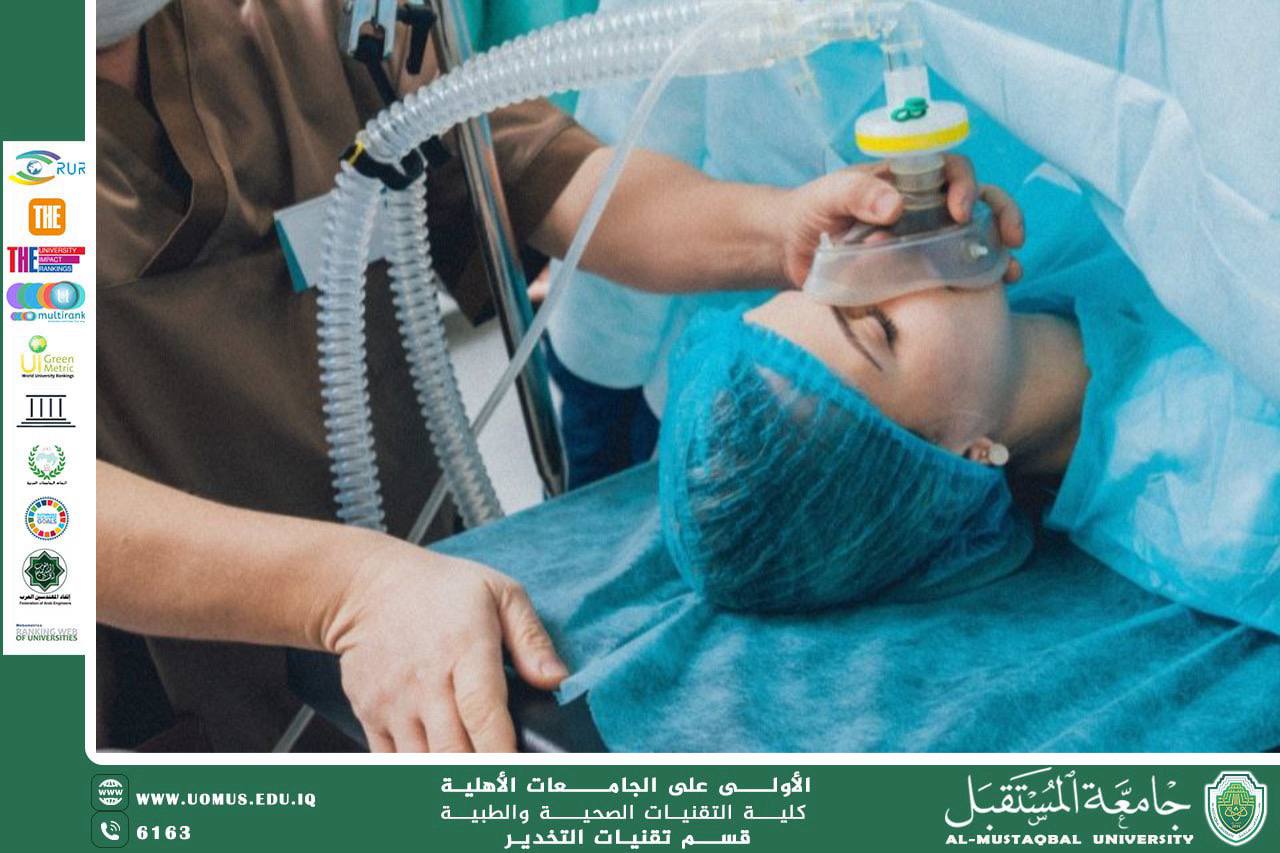
Tips for Patients Before and After Anesthesia
Anesthesia is an important medical procedure that allows surgeries to be performed without pain or stress. Although anesthesia has become safe thanks to medical advances, its success also depends on the patient’s adherence to the instructions and guidelines provided by the doctor before and after the operation.<br /><br /><br />First: Tips for Patients Before Anesthesia<br /><br />- Before the operation :<br /><br />Fasting: Do not eat or drink anything for 6–8 hours before surgery, unless otherwise instructed by your doctor.<br />Medications: Inform your anesthesiologist about all medications, supplements, and herbs you are taking. Some may need to be stopped while others continued.<br />Smoking and alcohol: It is advised to stop smoking and alcohol several days before surgery to reduce respiratory complications.<br />Sleep and rest: Getting adequate sleep improves your body’s response to anesthesia.<br /><br />- On the day of the operation : <br /><br />Take only the medications approved by your doctor with a small sip of water.<br />Remove contact lenses, dentures, jewelry, and nail polish.<br />Inform your doctor if you have symptoms such as a cold, cough, or fever.<br /><br /><br />Second: Tips for Patients After Anesthesia<br /><br />- Immediately after the operation :<br /><br />Rest: You may feel dizzy or nauseous, so remain lying down until the nurse allows you to sit or move.<br />Food and drink: Start with small sips of water, then gradually light foods as instructed by your doctor.<br />Monitoring: Your blood pressure, pulse, and breathing will be monitored to ensure your safety.<br /><br />- During recovery : <br /><br />Take pain medications at the prescribed times.<br />Try to move early (when your doctor allows) to avoid clots and improve circulation.<br />Drink enough fluids to rehydrate your body.<br />Follow wound care instructions carefully.<br />Do not drive or make important decisions within 24 hours of general anesthesia.<br /><br /><br />When Should You Contact Your Doctor Immediately?<br /><br />Difficulty breathing or chest pain.<br />Severe or persistent vomiting.<br />Abnormal bleeding or swelling at the surgical site.<br />Severe dizziness or loss of consciousness.<br /><br /><br />Conclusion : <br /><br />Following instructions before and after anesthesia helps reduce complications and makes the surgical experience safer and more comfortable. Remember, open communication with your anesthesiologist and reporting any symptoms or medications you are taking is the key to your safety.<br /><br />Yasmin Moayad Khalil<br /><br />Al-Mustaqbal University <br />The First University in Iraq.