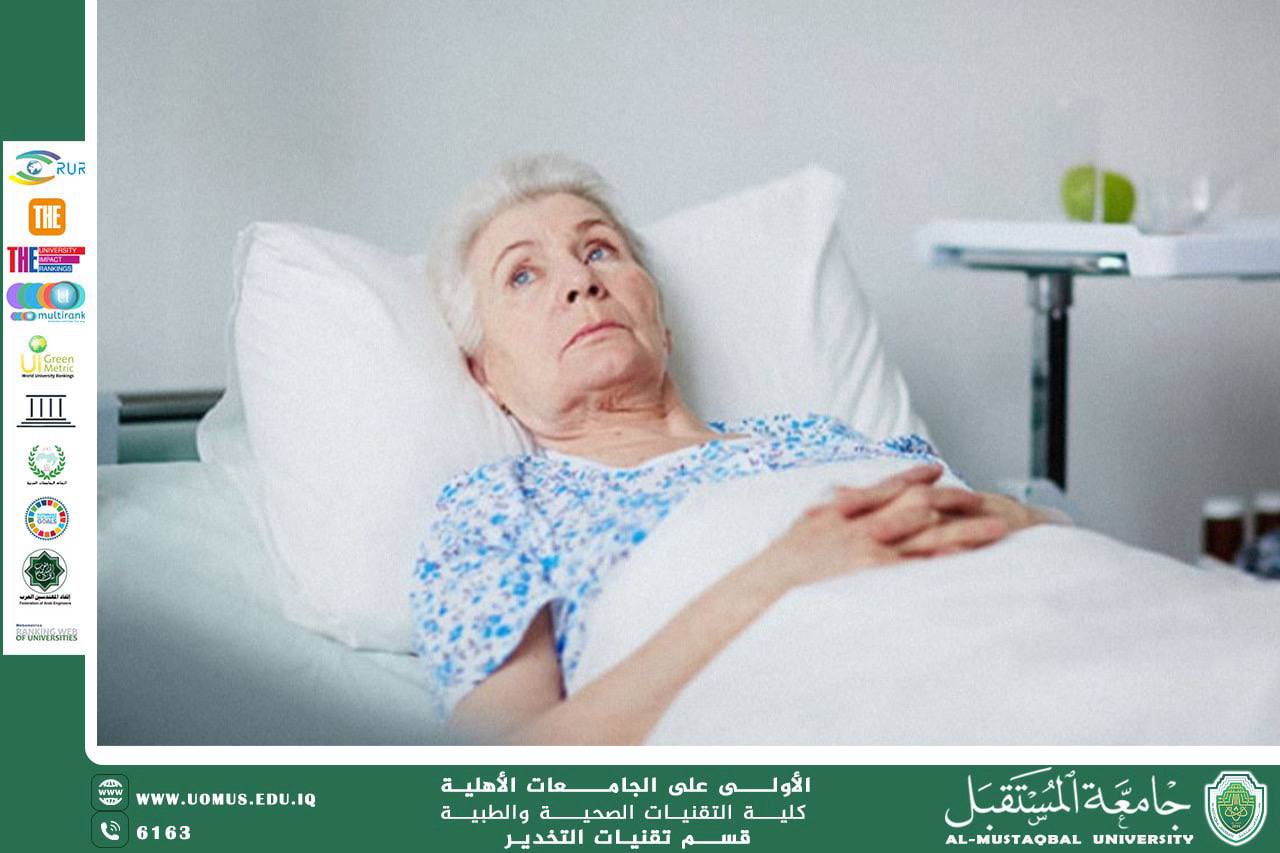
Anesthesia for the Elderly
Aging is associated with natural changes in various body systems such as the heart, lungs, kidneys, and liver, which makes elderly patients more sensitive to anesthesia and more prone to complications. Therefore, anesthetizing this group of patients requires special care and careful evaluation before, during, and after the operation.<br /><br />Physiological Changes with Aging :<br /><br />Respiratory system: decreased lung elasticity and ventilation capacity, increasing the risk of hypoxia or secretion retention.<br />Cardiovascular system: arterial stiffness and reduced ability of the heart to respond to stress or medications.<br />Nervous system: increased brain sensitivity to anesthetic drugs with the possibility of delirium or temporary memory loss.<br />Liver and kidneys: slower metabolism and excretion of drugs, leading to prolonged drug effects.<br /><br />Challenges in Anesthesia for the Elderly :<br /><br />Higher likelihood of intraoperative hypotension.<br />Delayed recovery from anesthesia due to slower drug clearance.<br />Risk of confusion and postoperative delirium.<br />Respiratory complications after surgery, especially in patients with chronic lung disease.<br />Potential interactions with other medications taken for chronic diseases (hypertension, diabetes, heart disease, etc.).<br /><br />Strategies in Anesthetizing Elderly Patients<br /><br />- Before the operation :<br />Comprehensive assessment including heart, lungs, kidneys, liver, and current medications.<br />Optimizing chronic diseases as much as possible (such as controlling diabetes and hypertension).<br />Reducing anxiety and explaining the anesthesia plan to the patient and family.<br /><br />-During the operation : <br /><br />Using the lowest effective dose of anesthetic drugs.<br />Close monitoring of blood pressure, respiration, and oxygenation.<br />Choosing the most appropriate anesthesia technique (general, regional, or local) based on the patient’s condition and type of surgery.<br /><br />- After the operation :<br /><br />Close monitoring in the recovery room or intensive care unit if needed.<br />Pain control with small, balanced doses to avoid hypotension or respiratory depression.<br />Encouraging early mobilization to prevent clots and improve breathing.<br />Monitoring mental status to prevent or manage early delirium.<br /><br />Conclusion<br /><br />Anesthesia for the elderly requires special attention; it is not merely administering anesthetic drugs, but a careful balance between ensuring patient comfort and safety while minimizing potential complications. Collaboration between the anesthesiologist, surgeon, and nursing team, along with involving the patient and their family in the treatment plan, ensures the best outcomes.<br /><br />Yasmin Moayad Khalil<br /><br />Al- Mustaqbal University <br />The First University in Iraq.