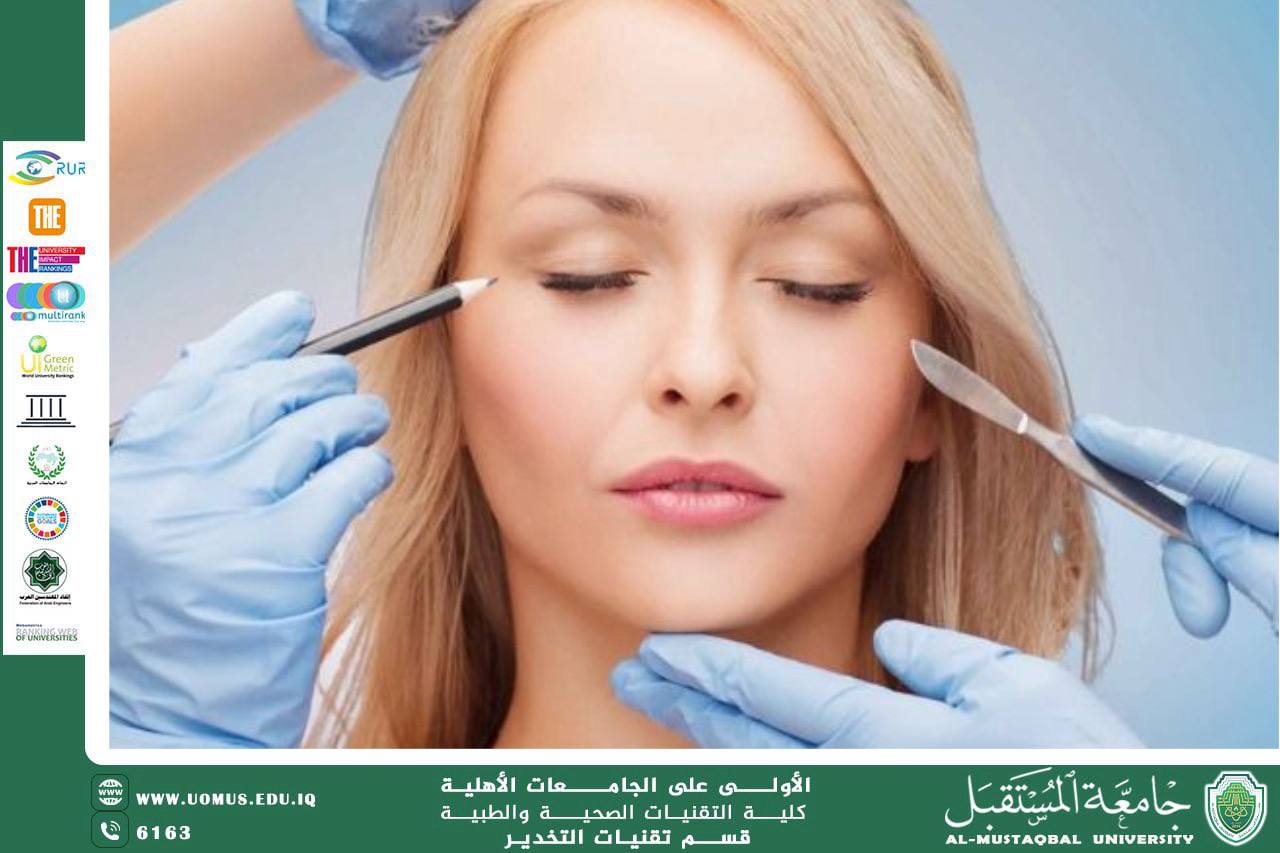
Advances in Reconstructive Plastic Surgery
Reconstructive plastic surgery has seen significant advancements in the past few decades, with innovations that have transformed the ability to restore both function and form to patients who have suffered from congenital deformities, trauma, or medical conditions. This article will explore these advancements and the exciting possibilities they offer for the future of reconstructive surgery.<br /><br />Key Areas to Cover:<br /><br />1- 3D Printing in Reconstructive Surgery :<br />3D printing is revolutionizing reconstructive surgery, particularly in creating custom prosthetics and implants. Surgeons can now use 3D printing to create patient-specific models based on detailed CT or MRI scans. This ensures a better fit and improved outcomes, especially in cases involving complex reconstructions such as facial trauma or joint replacement.<br /><br />2- Tissue Engineering:<br />Tissue engineering has made significant progress in growing tissues and even organs in laboratories. Research on stem cells and bioengineering methods now allows for the creation of lab-grown skin, cartilage, and even more complex structures such as muscle and bone, improving outcomes in reconstructive surgeries.<br /><br />3- Microvascular Surgery:<br />The development of microvascular techniques allows for the precise reattachment of blood vessels, enabling surgeons to perform complex tissue transplants and free flap surgeries. This is essential in reconstructions after traumatic injuries, such as burns or facial trauma.<br /><br />4- Robotics in Reconstructive Surgery:<br />Robotic-assisted surgery is becoming increasingly important in reconstructive procedures. Robots provide greater precision, allowing surgeons to perform intricate procedures with minimal invasiveness and reduced recovery times.<br /><br />5- Regenerative Medicine:<br />The use of regenerative therapies, including stem cells and platelet-rich plasma (PRP), is enhancing healing in reconstructive surgery. These therapies promote faster recovery, improve tissue regeneration, and reduce scarring, which is particularly beneficial in facial and breast reconstructions.<br /><br />Conclusion:<br /><br />With ongoing innovations, the field of reconstructive surgery continues to evolve, offering patients the ability to regain both functionality and appearance, often with results that were previously unimaginable.<br /><br />Dr. Hussein safaa <br /><br />Al-Mustaqbal University <br />The first University in Iraq.