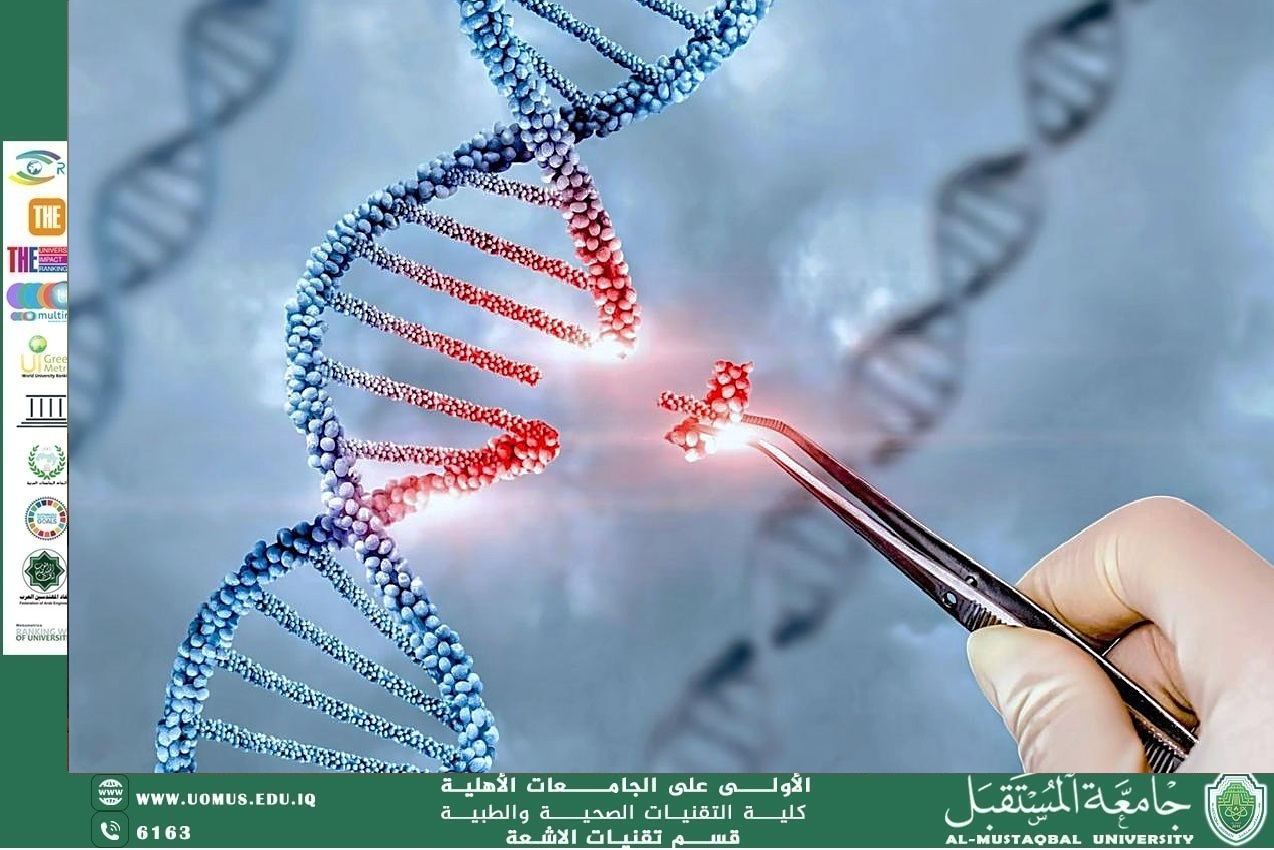
Article Title: "Advances in Genetic Testing as a New Revolution in Predicting Hereditary Diseases" By Dr. Mahmoud Hafez
Article Title: "Advances in Genetic Testing as a New Revolution in Predicting Hereditary Diseases"<br />By Dr. Mahmoud Hafez<br /><br />In recent decades, the medical world has witnessed tremendous progress in the field of genetics. One of the most prominent outcomes of this progress has been the emergence of genetic testing as a revolutionary tool for diagnosing many disorders and predicting them before clinical symptoms appear.<br /><br />At its core, genetic testing relies on analyzing DNA to detect mutations or genetic changes that may increase the risk of developing certain diseases, such as cancer, heart disease, neurological disorders, and rare hereditary conditions.<br /><br />The Importance of Genetic Testing<br />The significance of genetic testing lies in providing both the patient and the physician with a personalized genetic map that helps in:<br /><br />Early diagnosis: Detecting genetic predisposition to a disease before its symptoms appear.<br /><br />Prevention and early intervention: Designing personalized preventive or therapeutic plans, such as lifestyle modifications or more precise regular screenings.<br /><br />Choosing the optimal treatment: Some tests assist doctors in determining the effectiveness of certain drugs based on the patient’s genetic makeup.<br /><br />Practical Applications<br /><br />Cancer: Genetic testing can identify mutations associated with breast or colon cancer, such as the BRCA1 and BRCA2 genes, offering greater opportunities for early detection and prevention.<br /><br />Neurological diseases: These tests help in identifying genetic predisposition to conditions such as Alzheimer’s disease or Amyotrophic Lateral Sclerosis (ALS).<br /><br />Rare diseases: They provide families affected by hereditary disorders with the chance to understand the nature of the disease and determine its likelihood of being passed on to future generations.<br /><br />Conclusion<br />Genetic testing is no longer just an advanced laboratory technique; it has become a practical tool for transforming the future of healthcare. It represents a major step toward personalized medicine and early diagnosis, paving the way for a new generation of medical solutions that prioritize prevention and early intervention.<br /><br />However, despite this revolution in genetics, genetic testing raises important issues, most notably:<br /><br />Privacy: The need to protect genetic data from misuse.<br /><br />Psychological impact: Knowing one’s predisposition to a serious disease may cause anxiety or psychological stress.<br /><br />Cost: Some tests remain expensive and inaccessible, especially in developing countries.<br /><br />University of almustaqbal — the first university in Iraq